 By
By The Store Brand Revolution
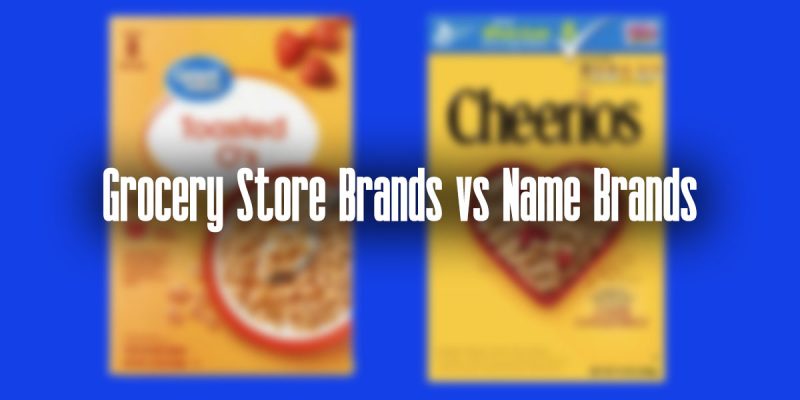
Store brand products have undergone a significant quality revolution in the last decade. The watery ketchup and flavorless cereal of store brands from the 1980s and 1990s gave way to private label products that, in many categories, are made by the same manufacturers as national brands — sometimes literally in the same production runs.
Major grocery chains have invested heavily in their private label programs specifically because they generate higher margins than national brands and build customer loyalty. The result is that store brand quality, across most grocery categories, now credibly competes with national brands on sensory quality in blind taste tests.
The financial opportunity is significant. A systematic preference for store brands on appropriate categories can reduce your grocery bill by 20 to 30 percent with no meaningful sacrifice in quality. For a household spending $600 per month on groceries, that’s $120 to $180 per month — $1,440 to $2,160 annually.
Categories Where Store Brands Win Clearly
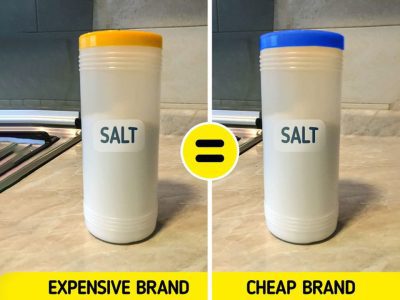
Basic pantry staples are the clearest store brand wins. Salt, sugar, flour, baking powder, baking soda, dried pasta, white rice, canned tomatoes, canned beans, vegetable oil — these are commodity products where the store brand is functionally identical to the national brand. The processing is minimal and the specification is standard. There is no reason to pay a national brand premium for these items.
Dairy basics are another clear store brand win. Milk, butter, cream, sour cream — the dairy product is the dairy product. Store brand milk from the same regional dairy has the same nutritional profile, the same taste, and costs 20 to 30 percent less.
Frozen vegetables are frozen vegetables. The peas are frozen peas. The corn is frozen corn. The only meaningful difference across brands in this category is the presence of added sauce or seasoning. Plain frozen vegetables: buy the store brand without hesitation.
Over-the-counter medications with the same active ingredients in the same dosages — acetaminophen, ibuprofen, antihistamines, antacids — are regulated by the FDA to be equivalent to name brands. Store brand Tylenol (acetaminophen) contains the same molecule at the same dosage as national brand Tylenol. The difference is $2 to $5 per bottle.
Categories Where National Brands Earn Their Premium
Some categories genuinely justify a national brand preference, at least for some consumers.
Products with complex proprietary formulations: some cleaning products, condiments, and personal care items have specific formulations that produce meaningfully different results. The specific combination of ingredients in certain cleaning products isn’t replicated by a generic alternative. If you’ve tried the store brand and it doesn’t perform comparably, the national brand is worth the premium for that specific item.
Products where brand loyalty has genuine sensory basis: some people prefer specific national brands because they genuinely prefer the taste or texture — not because of advertising conditioning but because their palate is specific. If you genuinely taste the difference in the specific product and prefer the national brand, that preference is valid and worth some premium.
Items where quality variation has health implications: if you use a specific sunscreen, an eye drop, or a topical treatment for a medical purpose, ensure the store brand equivalent has the same active ingredient at the same concentration before substituting. For most of these products it does; verify rather than assume.
The Taste Test Method
The most reliable approach to store brand decision-making is empirical: buy the store brand once and try it. If you can’t taste the difference, switch permanently and save. If you genuinely prefer the national brand in that specific category, the preference is real and worth noting.
For families with children, conducting occasional blind taste tests can be revealing. Children who insist on name brand cereal often can’t identify it in a blind comparison against the store brand equivalent. The preference is for the box, not the cereal. This is useful information.
Maintaining a small mental list of the specific products where you’ve tested and found the national brand genuinely worth the premium — perhaps five to ten items across your whole grocery repertoire — lets you default to store brand everywhere else without second-guessing it.
Warehouse Club Store Brands: The Premium Tier of Generic
Costco’s Kirkland Signature and Sam’s Club’s Member’s Mark are private label brands with a higher quality tier than typical grocery store brands — and often competing directly with premium national brands at mainstream brand prices.
Kirkland Signature products in particular have a reputation for quality that in some categories equals or exceeds the premium national brands they compete with. Kirkland coffee, olive oil, nuts, and many other items are consistently rated highly by consumers and independent reviewers, and they’re priced below comparable national premium brands.
For households with warehouse memberships, treating Kirkland and Member’s Mark as the default brand rather than the fallback generates significant savings across the grocery budget without any quality compromise.