 By
By The Scale of the Problem in Your Own Kitchen
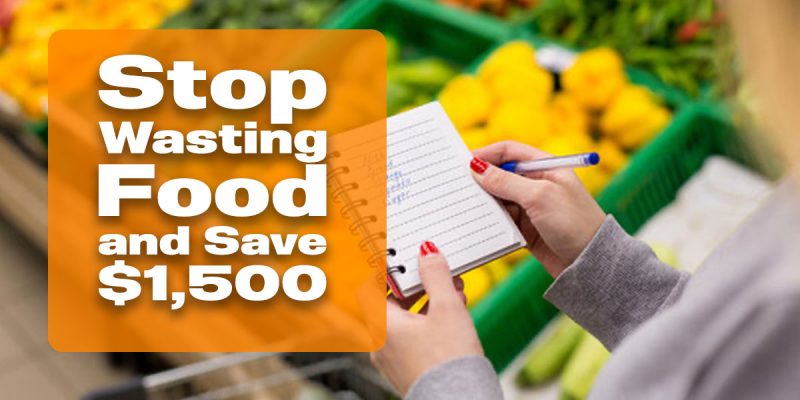
The USDA estimates that the average American household throws away between 30 and 40 percent of the food it purchases. That number sounds like a public health statistic until you apply it to your own grocery spending. If you spend $500 per month on groceries and throw away 35 percent, you’re discarding $175 per month — $2,100 per year — of food you bought and didn’t eat.
Some of this waste is unavoidable: trimmed vegetable scraps, bones, peels. But most household food waste is avoidable: produce that went bad before being used, leftovers that got forgotten, bread that went stale, condiments that expired, meal plan items that didn’t get cooked before new groceries arrived.
Food waste is also an environmental issue of real significance — rotting food in landfills is a meaningful methane contributor. But even setting that aside completely, the personal financial math is compelling enough to take seriously. Cutting food waste by half saves $750 to $1,000 per year for a typical family.
The Refrigerator System That Changes Everything
Most refrigerators are organized by convenient placement rather than by consumption priority. Items bought most recently go in the front. Items that need to be used first get pushed to the back and forgotten. This is the primary mechanical cause of refrigerator food waste.
The FIFO (First In, First Out) approach: when you bring home groceries, move existing items forward and put new items behind them. The item closest to expiring is always in front. This requires an extra two minutes at grocery time and eliminates the most common cause of refrigerator waste.
A designated “use first” section in the refrigerator — one shelf or bin labeled or reserved for items that need to be eaten in the next day or two — keeps these items visible rather than forgotten. The wilting spinach, the half-used avocado, the remaining two eggs — visible in a designated space rather than hidden behind newer purchases.
The Freezer: Your Most Underused Food Preservation Tool
Most people significantly underuse their freezers as food preservation tools. The freezer effectively pauses the clock on almost any food item, extending its useful life from days to months. Knowing what freezes well is the key skill.
Meat freezes with essentially zero quality loss when properly wrapped. Buying in bulk when on sale and freezing immediately is one of the most reliable food cost reduction strategies available. Bread freezes well and toasts directly from frozen. Hard cheeses freeze acceptably (texture changes slightly but functional for cooking). Cooked grains, beans, and legumes freeze perfectly. Many vegetables can be blanched and frozen at peak freshness.
The weekly pre-freezer check: before any grocery run, check what’s about to expire and decide whether to cook it immediately or freeze it. This prevents the waste of items bought with intention but used before they could be.
Meal Planning That Accounts for Reality, Not Aspirations
The most common meal planning failure mode: planning ambitious, diverse meals for every night of the week, then defaulting to something simpler on several nights because of tiredness, scheduling changes, or different appetite — and losing the planned-for ingredients.
Realistic meal planning accounts for the nights when cooking won’t happen. If you realistically cook at home four nights per week, plan for four, not seven. Plan for one “clean the fridge” meal per week using whatever needs to be eaten rather than specific purchased ingredients.
Ingredient overlap is the meal planning principle that most reduces waste. Planning meals for the week that share ingredients means less of each ingredient is bought, each is used completely, and less goes to waste. Two recipes that both use fresh cilantro, bell pepper, and chicken means you buy the right amounts and use them — versus six recipes with six unrelated fresh ingredient sets where small portions of each are left over and forgotten.
Using the Whole Ingredient
Vegetable scraps that most people discard can be used. Carrot tops, celery leaves, onion skins, herb stems, parmesan rinds — these all add flavor to stocks and soups. A gallon zip-lock bag in the freezer that accumulates scraps over two to three weeks provides the base for a vegetable or chicken stock that eliminates the need to buy broth.
Stale bread is not wasted food — it’s breadcrumbs, croutons, French toast, bread pudding, or panzanella. Overripe fruit is smoothies, baked goods, or frozen for later smoothie use. Leftover rice is fried rice or rice pudding. “Use it up” cooking — looking at what’s about to turn and building a meal around that — is a skill that gets easier with practice and virtually eliminates refrigerator waste for people who develop it.
The Label Reading Habit for Dates
“Best by,” “use by,” and “sell by” dates cause unnecessary waste because most people treat them as strict expiration deadlines. With the exception of certain products (prepared deli foods, soft cheeses, fresh meat and poultry), these dates indicate peak quality, not safety.
Milk that’s two days past its sell-by date and smells fine is fine. Canned goods that are a year past their best-by date are safe (quality may be slightly reduced but not dangerous). Eggs are safe for three to five weeks past their pack date. Hard cheeses with mold can have the moldy section removed and the remainder eaten.
The smell, sight, and texture tests are better guides than label dates for most foods. Learning to trust these senses rather than reflexively discarding anything past its date eliminates a significant category of unnecessary waste.