 By
By The Psychology Behind the Store Design
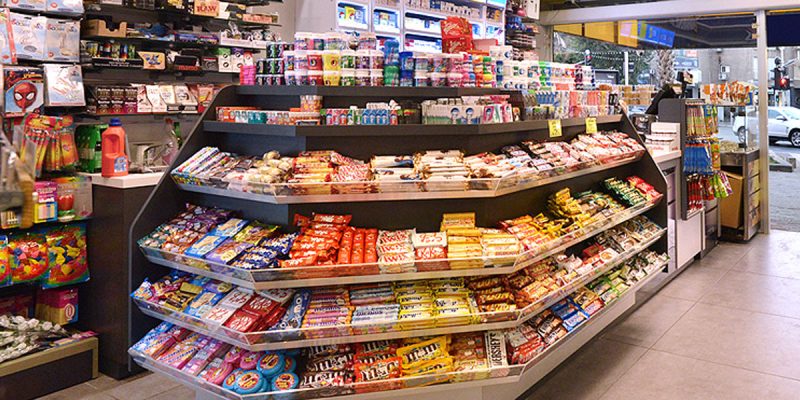
Grocery stores are not neutral commercial spaces. They are highly engineered buying environments shaped by decades of consumer psychology research, where every element — the lighting, the music, the placement of product categories, the height of items on shelves, the path you’re directed to walk — is optimized to increase your total spend.
This isn’t a conspiracy theory. It’s documented, practiced commercial design. Stores hire retail anthropologists and psychologists. They A/B test layouts. They analyze shopping pattern data from loyalty cards and rearrange stores to maximize exposure to high-margin products.
Understanding the specific techniques doesn’t make you cynical about grocery shopping — it just makes you a more informed consumer who can extract the value from the store (the food, the prices) without absorbing the manufactured desires the layout is designed to create.
The Perimeter vs Interior Architecture
The most widely discussed grocery store design principle: fresh, necessary staples (produce, meat, dairy) are placed on the perimeter of the store, forcing you to walk past the interior aisles of processed, higher-margin products to reach them. This is deliberate.
For most shoppers, the practical counter is to start with a list that’s organized by store section, shop the perimeter for the fresh items you need, and only enter specific interior aisles for the items actually on your list. Browsing the cereal aisle when you don’t need cereal is how impulse purchases happen.
The bakery is almost always placed near the entrance specifically because the smell of fresh-baked bread is one of the most powerful appetite stimulants known. Walking in hungry through a bakery entrance is exactly what stores want. Shopping after eating — or at minimum grabbing something small to eat before shopping — reduces the impact of these environmental appetite triggers.
Eye-Level Pricing and the Shelf Position Game
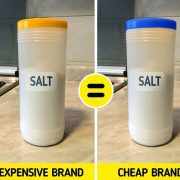
Products at eye level are not there because they’re the best options. They’re there because manufacturers pay for that premium shelf real estate. The most profitable items for the store get eye-level placement. Store brands, generic alternatives, and better-value options are typically placed lower (requiring you to crouch) or higher (requiring you to reach).
The active strategy: look up and down from eye level when evaluating any product category. The equivalent or better-value option is very often directly above or below the product the store placed at eye level. Store brands specifically are almost always placed in less prominent positions despite being the better value option.
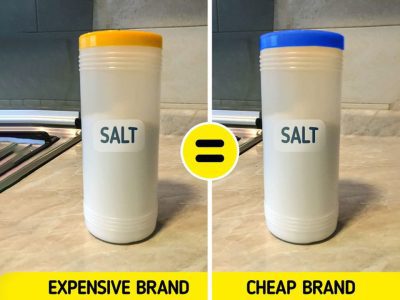
Unit pricing (price per ounce, per count, per sheet) is your equalizer here. The item at eye level might have a lower absolute price but a higher unit price than the same-category item on the bottom shelf. Most store shelf tags now include unit pricing — use it.
End Caps, Loss Leaders, and Sale Psychology
End caps (the display shelves at the end of aisles) feel like sales and special features. Often they’re neither. Grocery chains use end caps for two purposes: genuine promotional pricing and brand-paid feature placement. The brand-paid end caps look like promotions but aren’t priced any lower than the regular shelf.
Loss leaders are the items deliberately priced at or below cost to draw shoppers into the store (the whole chicken for $0.99/lb, the milk priced below cost). These are real savings — stores do sell some items below margin to build traffic. The strategy is to actually buy the loss leader and not offset the savings with impulse purchases triggered by being in the store.
The “buy X get Y free” format deserves specific attention. These deals are frequently genuine value. They’re also frequently used to clear slow-moving inventory. The question is always whether the item at the discounted effective price is better value than alternatives, not whether the deal structure sounds attractive.
Loyalty Cards: What They Cost You vs What They Save
Grocery loyalty programs provide real discounts — the “member price” is frequently significantly lower than the non-member price. But they also generate purchasing behavior data that retailers use to target promotions designed to increase your spending in your weak spots.
Use loyalty cards for the discounts. Be aware that personalized coupons pushed through the app are often targeted at your established purchasing patterns and designed to deepen existing spending habits rather than save you money on things you’d buy anyway.
The best use of grocery loyalty programs: check the digital coupons before shopping, clip the ones for items already on your list, and ignore the triggered promotional offers that appear based on your history.
A System That Neutralizes the Store’s Influence
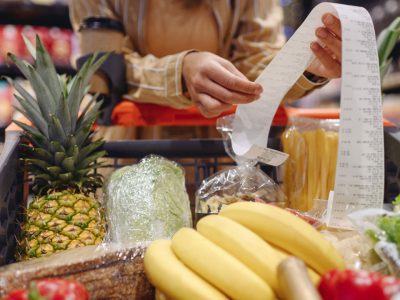
The complete protection system against grocery store engineering is simple and requires nothing beyond habit. First, never shop without a list — not a mental list, a written one. Second, eat before shopping or bring a small snack. Third, set a per-trip budget and track it as you go (the store’s app or a simple phone calculator). Fourth, give yourself permission to leave immediately after getting everything on the list without browsing.
The shopping trip that takes 45 minutes of browsing versus 20 minutes with a list doesn’t produce better food. It produces more unplanned purchases at higher total cost. Efficiency in grocery shopping is not antisocial — it’s just respecting your own financial plan.