 By
By The Back-to-School Marketing Machine
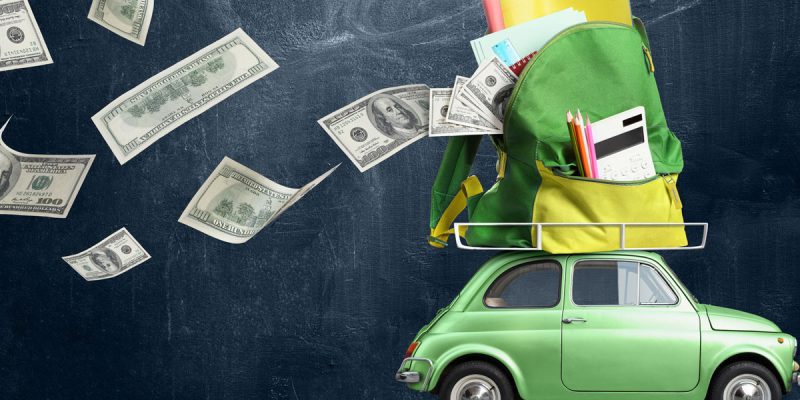
Retailers have turned back-to-school season into the second-largest shopping period of the year after the winter holidays. The marketing begins in July and the message is consistent: your child needs new everything. New backpack, new shoes, new clothing wardrobe, new supplies — and if you’re really a good parent, you’ll get the premium versions.
The average American family with school-age children spends over $800 on back-to-school shopping annually. For families with multiple kids, that number climbs to $1,500 to $2,000. Some of that spending is genuinely necessary. A significant portion of it is manufactured urgency from retailers who have a financial interest in making last year’s perfectly functional backpack seem inadequate.
I’m a parent, and I’ve done the full-panic back-to-school shop and the strategic prepared version. The difference in what the kids actually needed versus what I bought in a rush at retail prices was astonishing.
The Inventory Step Everyone Skips
Before buying anything for back-to-school, spend 30 minutes doing an inventory of what you already have. Backpacks from last year that are in good condition. Supplies that didn’t get used. Clothing that still fits. Shoes with life left in them.
Most families doing this for the first time discover they already have 40 to 60 percent of what the school supply list demands. Pencils, crayons, folders, notebooks — these frequently survive from the previous year in usable condition. The urge to start fresh with all new supplies is real but not financially rational when last year’s crayons are perfectly functional.
For clothing specifically, this is also the time to go through what the child has and identify what genuinely doesn’t fit versus what just needs to be worn more. Children’s clothing gets outgrown, but it also gets forgotten in drawers. The clothing inventory often reveals a more complete existing wardrobe than parents remember.
The Supply List: What Schools Require vs What Stores Suggest
Most schools publish supply lists. These lists specify what’s actually required — often surprisingly modest. What stores do is build displays around these lists that include significantly more items than are required, at premium price points, presented as if they’re all mandatory.
Get the actual list from the school (or last year’s list as a close approximation) and shop specifically from it. Ignore the curated back-to-school bundles that include 40 items when the list requires 15. The bundle is priced for convenience and profit, not economy.
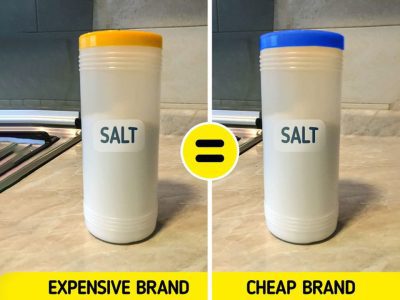
For supplies, dollar stores and warehouse clubs consistently beat regular retailers on back-to-school items. A $1 box of 24 crayons at Dollar Tree versus a $4 box at Target — they’re the same crayons. Composition notebooks, pencils, folders, and many other staples are significantly cheaper at dollar stores with no quality difference for elementary school use.
Clothing Strategy: The Three-Tier Approach
Back-to-school clothing is an area where a systematic approach beats panic shopping. The three-tier strategy works well for most families.
Tier one: basics and necessities bought at discount. Undershirts, socks, underwear, and simple everyday items from warehouse clubs, discount retailers, or online basics brands. No need for premium brands on items nobody sees.
Tier two: secondhand for items that wear out quickly or get outgrown fast. Young children outgrow clothing faster than they wear it out. Buying good-condition secondhand clothing from Facebook Marketplace, thrift stores, or consignment shops makes financial sense when the child will outgrow it in six months anyway. The quality difference between new and good-condition secondhand for a six-year-old is essentially zero.
Tier three: one or two new items the child genuinely wants and will take care of. For older kids especially, having some input into their school clothing matters for motivation and confidence. Budgeting for one or two genuinely wanted items while shopping smart on the rest is a workable balance.
Shoes: The Biggest Back-to-School Cost Per Item
Shoes represent the largest per-item cost in back-to-school shopping and also the category with the most marketing pressure toward premium brands. The right approach depends on the child’s age and your specific values, but some generalizations hold.
For young children who will outgrow shoes in four to six months, buying premium brands at full price is hard to justify financially. A $30 pair of shoes that lasts four months before being outgrown serves the child exactly as well as a $90 pair.
For older children and teenagers where shoe quality genuinely affects performance (sports, long school days) and where brand matters for social reasons, the calculation is different. One quality pair bought at end-of-season sales (where prices drop 30 to 50 percent) serves better than two cheap pairs.
End-of-season sales in spring sell the next fall’s shoe sizes at significant discounts if you can estimate sizing accurately. Buying one size up in April for fall wearing is a simple strategy that can halve the cost of children’s shoes.
Tax-Free Weekends and Their Actual Value
Many states offer back-to-school tax-free weekends, typically in late July or early August, covering clothing, footwear, and school supplies up to specific price thresholds. The savings are real — typically 5 to 10 percent depending on state tax rates — but they require planning to use effectively.
The risk of tax-free weekends is buying things you don’t need simply because they’re tax-free. The sales tax savings on a $50 item is $3 to $5 — not enough to justify buying something you wouldn’t otherwise buy. Use tax-free weekends only for items already on your purchase list.
Also useful: price matching programs at major retailers during this period, stacking manufacturer coupons or loyalty discount apps with sale prices, and price comparison between retailers for identical items. The preparation effort for a $200 back-to-school shopping trip can realistically save $40 to $60.