
 By
By Recession-Proofing Your Personal Finances
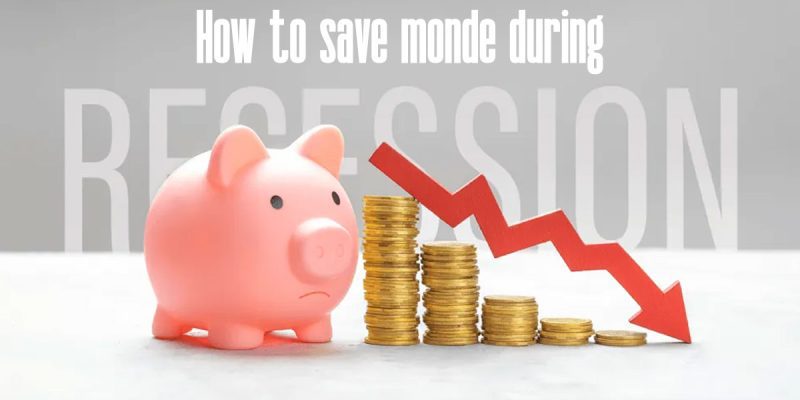
A recession doesn’t affect all households equally. The households that weather economic downturns without lasting damage share common characteristics: lower fixed costs relative to income, larger emergency funds, less consumer debt, and more diversified income when possible. None of these advantages are exclusive to high earners — they’re the result of deliberate financial positioning that can be built at most income levels.
The time to prepare for a recession is before it arrives, not after. If economic indicators suggest trouble ahead — rising unemployment claims, inverted yield curve, slowing consumer spending, your industry showing weakness — building your financial resilience in the months before a potential downturn is worth prioritizing over other financial goals.
During a downturn, the priorities shift: protect income, protect housing, minimize high-interest debt, and preserve liquid savings for potential disruptions.
The Emergency Fund Multiplier During Downturns
The standard advice for emergency fund size — three to six months of expenses — assumes a relatively normal job market where finding replacement employment within a few months is reasonable. During a recession, unemployment spells extend significantly, and the three-month fund that was adequate in normal times may be insufficient.
During economic uncertainty, building toward a six to twelve month emergency fund is worth prioritizing even if it means delaying other financial goals. The cost of being underprotected during a prolonged unemployment spell — going into debt, depleting retirement savings, missing housing payments — far exceeds the opportunity cost of keeping more cash in a savings account rather than investing it.
High-yield savings accounts and short-term treasury bills provide a meaningful return on emergency fund cash during periods of elevated interest rates, reducing the opportunity cost of holding larger liquidity.
Job Security and Income Diversification
Job security becomes a meaningful concern during recessions in ways it isn’t during expansions. Understanding your specific vulnerability — which industries, roles, and companies are most exposed to recessionary pressure — is the starting point for thinking about income resilience.
The households most financially resilient during recessions are often those with multiple income streams, even modest ones. A second income that covers 15 to 20 percent of household expenses means a primary job loss doesn’t immediately trigger crisis — it triggers adjustment.
Building marketable skills before a potential downturn, maintaining professional relationships (your network is your most valuable job search asset), and keeping your professional profile current are the recession-proofing actions within the employment dimension.
Spending Adjustments That Protect Your Financial Foundation
During a recession or economic uncertainty, voluntarily reducing spending in advance of potential income disruption is financially rational even if your own income is currently stable. Increasing your savings rate and reducing fixed costs while you have income provides a larger cushion for a potential disruption.
The spending reductions with the lowest quality-of-life cost are the best targets: subscription review and reduction, dining out frequency, discretionary shopping, and entertainment costs. These are variable, reversible changes that can be implemented quickly and reversed equally quickly when stability returns.
Fixed cost reductions — moving to cheaper housing, downgrading to one car, eliminating the gym membership — have higher quality-of-life costs and are harder to reverse. These make sense for extended downturns or genuine income disruption but are blunt instruments for short-term uncertainty management.
Opportunities That Recessions Create
Economic downturns create specific financial opportunities that don’t exist in bull markets, and the households with financial resilience and liquid savings are positioned to capture them.
Asset prices decline during recessions — stocks, real estate, and other investments become cheaper. The households with cash reserves and stable income can invest at lower prices during market fear, producing higher long-term returns. This is uncomfortable but financially rational.
Employee negotiating power temporarily shifts during recessions, but it also creates opportunities for people whose skills are in demand regardless of economic conditions. Companies that are reducing in some areas are investing heavily in others, and the right skills during a downturn can produce unusual opportunities.
Negotiating power with service providers, landlords, and vendors increases during downturns as everyone seeks to retain good customers and tenants. The period of economic stress is often the best time to renegotiate bills, leases, and service agreements.