
 By
By The Home Décor Industry’s Business Model
Home décor as a consumer category has exploded in the last decade, fueled by Instagram aesthetics, home improvement television, and the pandemic’s effect on how much time people spend at home. The result is a cultural pressure to have a perpetually updated, trend-responsive home that generates enormous retail spending.
The business model works through trend cycles: styles become fashionable, generate purchasing, then become dated, generating replacement purchasing. Fast furniture and fast décor works exactly like fast fashion — cheap, quickly acquired, quickly discarded, constantly replaced.
A different approach: fewer, better pieces with longer relevance. The home that looks expensive and timeless usually isn’t filled with many things — it has a smaller number of carefully chosen items with quality materials and classic proportions. This approach costs less over time and produces better results than chasing every trend.
Secondhand Furniture: The Best Value in Home Décor
The secondhand furniture market has never been better. Facebook Marketplace, Craigslist, OFFERUP, Chairish (for vintage and antique), and local estate sales provide access to quality furniture — often significantly better quality than comparable new furniture at the same price — at 20 to 50 percent of retail cost.
A solid wood dining table bought secondhand for $200 beats a particleboard table bought new for $400 in every measurable way: construction quality, longevity, material quality, and visual weight. The person who learned to buy furniture secondhand and repair or refinish it as needed decorates better and spends less than the person who buys new from trend-driven retailers.
For large furniture pieces specifically — sofas, dining tables, bed frames — the quality jump you can access secondhand at a given price point is dramatic. A $600 used leather sofa from a quality brand is almost always a better piece than a $600 new sofa from a fast furniture retailer.
Paint as the Highest-ROI Home Transformation
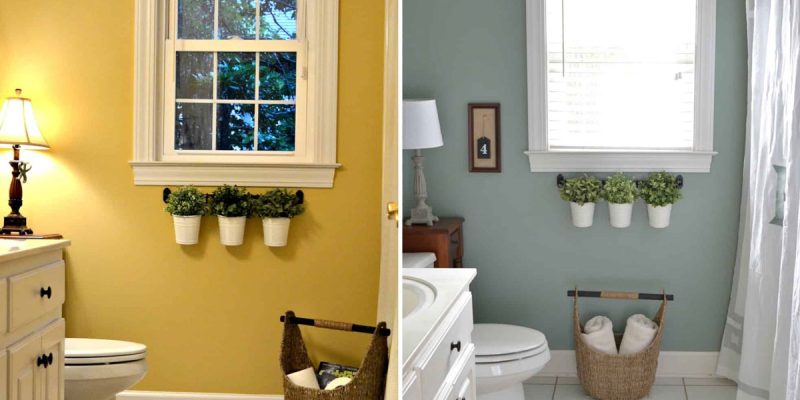
Paint is the highest-return investment in home transformation per dollar spent. A room with average furniture and good paint color looks significantly better than a room with expensive furniture and poor paint choices or no paint investment.
A gallon of quality interior paint costs $50 to $70 and covers approximately 400 square feet. Painting an average bedroom ceiling and walls requires two gallons and $100 to $140 in materials plus supplies. The transformation per dollar spent on paint is unmatched in home improvement.
Color selection is the skill that matters here. Understanding the impact of warm versus cool tones, how ceiling paint affects perceived height, and how color reads at different times of day — these skills are learnable through free resources and produce dramatically better results than defaulting to the “safe” builder white that most homes ship with.
The Power of Editing: Less Is More at Every Budget
The most common home décor mistake is too much, not too little. Rooms cluttered with small decorative items, competing patterns, and multiple focal points look expensive and chaotic rather than curated and calm.
The editing principle: remove things until the room starts to feel right, then consider whether to add back selectively. Most rooms look better with 30 to 40 percent less stuff than they currently contain. The items that survive the edit are the ones that earn their visual space.
This editing approach is also financially freeing: it means you can achieve a better aesthetic with fewer purchases. The room that looks well designed often has five to eight intentional items, not thirty to forty items accumulated without a cohesive vision.
DIY Improvements With High Visual Impact
Several DIY improvements produce visual results disproportionate to their cost for people willing to invest time rather than money.
Removing and replacing dated light fixtures is one of the most impactful per-dollar home improvements. A $40 to $80 ceiling fixture from a home improvement store, installed by a reasonably handy person in an afternoon, completely transforms how a room reads. The dated brass flush-mount fixture from 1990 replaced with a simple modern semi-flush immediately shifts the perceived quality of the entire room.
Adding crown molding, board and batten, or wainscoting elevates a room’s perceived quality significantly at modest material cost. These are moderate DIY skills that, once learned, can be applied throughout a home at the cost of materials plus time.