 By
By Birthday Party Inflation Is Real
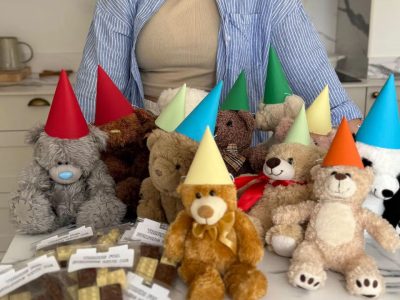
The children’s birthday party industry has expanded dramatically, and with it the social pressure to produce Instagram-worthy events that involve professional entertainment, elaborate themes, catered food, and party favors that cost more than the gifts did a generation ago.
The average American family now spends between $300 and $500 on a child’s birthday party. At two or more children’s parties per year plus sibling and friend parties you’re contributing to, this adds up to a meaningful annual expenditure on events that the children themselves often enjoy less than simpler alternatives.
Research on children’s birthday party enjoyment is consistent and somewhat humbling: children’s primary enjoyment comes from the presence of their friends, cake, and the social experience — not from the specific venue, the entertainment, or the elaborateness of the theme. The expensive extras primarily serve adult social comparison, not child happiness.
The Home Party Comeback
Home parties fell out of fashion as venues and entertainment companies made the outsourced option easier and more socially acceptable. But from both a financial and a child experience perspective, well-executed home parties are often better.
A backyard party with a sprinkler or slip-and-slide for summer, a craft activity for the right age group, homemade cake, and pizza — this formula costs $80 to $150 for 8 to 12 children and produces the same social enjoyment as a $400 venue party for children under 10.
The key to a successful home party for young children is structured activities — not elaborate ones, just something for kids to do that channels their energy. Simple activities (pin the tail on the donkey, a scavenger hunt, a craft project) keep children engaged without requiring professional entertainment.
Venue Party Alternatives That Cost Less
For families who genuinely can’t or don’t want to host at home, venue options vary enormously in price. The high end — dedicated party venues, trampoline parks, laser tag facilities — runs $300 to $600 or more for a two-hour party. The more affordable alternatives achieve the same social experience:
Public parks with shelters or pavilions (often bookable for $25 to $75) provide ample space for active outdoor parties. Bring your own food, cake, and activities.
Community center rooms frequently rent for $50 to $100 for a few hours — enough space for a pizza and cake party with any theme you bring to the space.
Libraries often have free or cheap meeting room rentals and some offer programming that combines with a party format.
For older children who’ve moved beyond organized party activities, a modest outing with 3 to 4 close friends — a movie, bowling, or a restaurant visit — often costs less than a large venue party and is more age-appropriate.
The Guest List as Budget Control
The single biggest driver of birthday party cost is guest count. Every additional child adds food, cake, party favors, and potentially venue capacity cost. Keeping the guest list tightly aligned with the child’s actual social world rather than inviting every classmate as a social obligation is both financially sensible and often produces a better experience for the birthday child.
For young children (under 8), the “age plus one” rule (a five-year-old invites five or six friends) is a useful constraint that keeps parties appropriately intimate. Whole-class invitations are socially pressure-driven, not child-driven — most children do not have meaningful friendships with every classmate.
For older children, letting the child have input into the invite list based on who they actually want there almost always produces a smaller, more focused list than the parent’s social anxiety would generate.
DIY Elements That Beat Store-Bought
Several birthday party elements are genuinely better when made or assembled at home rather than purchased as packaged products.
Homemade birthday cake has a nostalgia and care dimension that store-bought lacks. A simple sheet cake decorated with the child’s chosen theme (whether that’s a cartoon character or flowers) made at home costs $15 to $25 in ingredients rather than $40 to $80 from a bakery, and most children and parents find homemade cake meaningfully more special.
Party favors are the category where the cheapest option — a small bag of candy or a few pieces of desired candy — is also often the most appreciated by the children receiving them. Elaborate favor bags with multiple plastic items that break immediately, craft supplies that get lost, and trinkets that serve no function are primarily for parent social satisfaction. Ask children what they liked about a party favor and they’ll say “the candy.”