 By
By Why the Grocery Bill Is Your Best Budget Target
Of all the spending categories in your budget, groceries are one of the most interesting to optimize. Unlike rent or car insurance, your grocery bill has genuine flexibility. You can cut it significantly without meaningfully reducing your quality of life, and unlike eating out, cutting back doesn’t feel like a social sacrifice.
Most families and individuals are spending more than they need to at the grocery store, not because they’re buying luxury items, but because they haven’t developed a system. They shop hungry, they don’t plan meals, they throw out produce, and they buy things they already have at home because they weren’t sure. I’ve been guilty of all of these at various points in my life.
According to USDA data, the average American household throws away roughly 30-40% of the food it purchases. That’s money you spent that literally went in the trash. Fixing that one problem alone could meaningfully impact most grocery budgets.
Meal Planning: The Foundation of Grocery Savings
Meal planning is the single most effective grocery budgeting strategy. I know this gets said constantly. It’s said constantly because it’s true.
When you plan your meals for the week before you shop, two things happen. First, you buy exactly what you need instead of vague amounts of “stuff.” Second, you can plan meals that share ingredients, which reduces waste and stretches your dollar further.
For example, if you buy a rotisserie chicken, that chicken becomes the base for three meals. Monday is chicken with roasted vegetables. Tuesday is a chicken stir-fry with whatever vegetables are left. Wednesday becomes chicken soup using the carcass for stock. One $8-10 purchase feeds you three times. That’s smart meal planning.
You don’t need a perfect system. A rough plan scribbled on a notepad is dramatically better than no plan. The goal is to walk into the grocery store knowing what you’re making, not wandering the aisles hoping inspiration strikes.
Shopping Strategies That Work
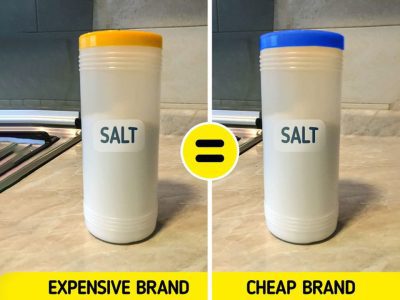
Buy the store brand for everything that doesn’t matter to you. For most staple items (flour, sugar, canned beans, pasta, frozen vegetables, olive oil, cleaning products), store brands are made in the same facilities as name brands and are virtually identical in quality. The markup on national brands is mostly paying for marketing. I switched to store-brand staples and genuinely could not tell the difference on about 90% of items.
Shop the perimeter first. Grocery stores are designed to move you through the middle aisles where the expensive processed products live. Fresh produce, proteins, and dairy are on the perimeter. Start there and only go to the inner aisles for specific items on your list.
Never shop hungry. This is a cliché because it’s catastrophically true. Research has shown that hungry shoppers buy significantly more food, particularly calorie-dense impulsive items. Eat something before you go. Even a handful of nuts makes a difference.
Use unit prices, not shelf prices. The big bottle isn’t always cheaper per unit than the small bottle. Stores are legally required to show unit prices on the shelf tag. Check the price per ounce, per gram, or per serving rather than the total price. Sometimes the medium size is the best deal. Sometimes the family size actually costs more per unit because they know most people assume bigger means cheaper.
Buy in bulk strategically. Bulk is only cheaper if you use it before it expires. Buying bulk coffee beans you’ll drink over a year is smart. Buying bulk salad greens you’ll throw away in a week is throwing money away. Bulk works for: grains, legumes, canned goods, frozen items, household supplies, coffee, and non-perishables.
Produce: The Biggest Waste and Savings Opportunity
Produce is where most grocery budgets bleed money through waste. Fresh produce goes bad quickly, and if you’re not planning around it, you’ll throw away a significant percentage of what you buy.
A few approaches that help enormously: Buy frozen vegetables as your default and fresh as your specialty. Frozen vegetables are picked at peak ripeness and flash-frozen, which means they’re often more nutritious than fresh produce that’s been sitting in transit for days. They’re also significantly cheaper and don’t expire in four days.
When you do buy fresh, shop what’s in season. Seasonal produce costs a fraction of out-of-season produce and tastes considerably better. Strawberries in strawberry season are sweet and cheap. Strawberries in winter are expensive and taste like water.
Farmer’s markets can be great value, especially toward closing time when vendors discount produce rather than haul it home. Early in the morning often has the best selection; late in the day often has the best prices.
Learn to use the whole vegetable. Broccoli stems are edible and taste the same as the florets (they just need longer cooking). Carrot tops make excellent pesto. Stale bread becomes croutons or breadcrumbs. This isn’t just frugal, it’s genuinely better cooking.
Coupons and Apps: The Modern Version
Traditional coupon clipping from newspapers has largely been replaced by apps, and the modern version is genuinely worth using without being nearly as tedious as the old approach.
Store loyalty apps give you digital coupons automatically applied at checkout. Most major grocery chains have them. They take five minutes to download and set up, and the discounts add up meaningfully over a month.
Cashback apps like Ibotta, Fetch, and Checkout 51 give you money back on purchases you’d make anyway. Ibotta in particular has decent cashback on grocery staples. It’s not transformative savings, but an extra $15-30 a month for scanning receipts is easy money.
What I’d avoid: extreme couponing for products you wouldn’t otherwise buy. If a coupon makes you buy three boxes of a cereal you don’t usually eat, you haven’t saved money, you’ve spent it on cereal. Coupons are only useful for things already on your list.
A Realistic Monthly Savings Estimate
How much can you actually save with these changes? It depends heavily on your current habits, but here’s a rough picture. Switching to store brands on staples: 15-25% reduction on those items. Meal planning and reducing waste: 10-20% overall reduction from simply not throwing food away. Buying seasonal produce and more frozen vegetables: 10-15% on produce. Stopping hungry impulse purchases: variable but often $20-50 per shop.
For a household spending $400-600 a month on groceries, systematic changes like these can realistically save $80-150 monthly without eating worse. That’s $960 to $1,800 a year. The effort required to implement these strategies is a few hours up front and some ongoing habit building. The return on that time investment is remarkably high.