 By
By What the Cash Envelope Method Actually Is
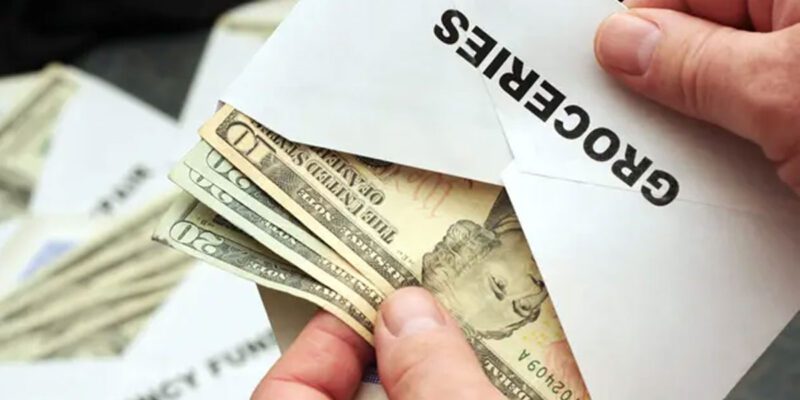
The cash envelope system is straightforward. You take your monthly budget categories (groceries, dining out, entertainment, clothing, personal care), allocate a specific dollar amount to each, and physically put that cash in an envelope labeled for each category. When the envelope is empty, you’re done spending in that category for the month.
That’s it. No app, no spreadsheet, no technology required. Just envelopes and cash.
I’ll be honest, when I first heard about this system, I thought it sounded like something my grandmother would do. I was wrong. The psychological research behind why this system works is genuinely interesting, and the results for people who commit to it are often dramatic.
The Psychology Behind Why It Works
There’s something almost uncomfortable about handing over physical cash. You watch it leave your hand. You feel the envelope get lighter. This is fundamentally different from tapping a credit card or clicking buy online, where the transaction barely registers as real.
Research has consistently shown that people spend more when using cards compared to cash, even when they know this phenomenon exists and are trying to account for it. One study from MIT found that credit card users were willing to pay up to 83% more for the same item than cash users. The physicality of cash triggers loss aversion in a way that digital payments simply don’t.
The envelope system also creates a hard stop. With a bank account, there’s always technically more money (or a credit card linked). With an envelope, there is a fixed amount of physical cash. That finality changes decision-making. When you’re standing in a store with $20 left in your grocery envelope and holding $30 worth of food, you feel the constraint in a way that a declining card balance never quite conveys.
Who Benefits Most From This System
The cash envelope method works especially well for people who have tried other budgeting approaches and found them too easy to rationalize away. Digital budgets are easy to “adjust” when you’ve overspent. Cash envelopes are not.
It also works well for specific problem categories. You don’t need to use envelopes for every spending category. Many people use them only for the categories where they consistently overspend: groceries, dining out, shopping. For fixed expenses (rent, utilities, insurance), the envelope system doesn’t make sense since those are paid digitally. Focus envelopes on the variable categories where willpower and rationalization are the enemy.
People who are visual and tactile learners often find this system clicks immediately. If seeing your balance on a phone screen doesn’t trigger any real feeling, but watching physical cash leave your wallet does, the envelope system is probably the right match for your psychology.
The Real Downsides
I’d be doing you a disservice if I didn’t address the genuine problems with this system.
Safety and inconvenience. Carrying significant amounts of cash is riskier than using cards. Cash can be lost, stolen, or destroyed. Cards can be replaced; cash cannot.
It doesn’t work for online purchases. A growing percentage of spending happens online where you literally cannot use physical cash. This limits the system’s coverage of your actual spending.
Travel and large purchases. Carrying an envelope with hundreds of dollars to a grocery store feels awkward. For larger purchases or travel, the system becomes impractical.
It requires more trips to the bank and more attention to having the right denominations available. These aren’t huge burdens, but they do add friction to your life.
The envelope system also gives you no benefit for rewards. If you’re disciplined enough to stick to budgets anyway, using a rewards credit card (paid in full monthly) earns you real cashback or travel points. The envelope system sacrifices this.
A Hybrid Approach That Works in the Real World
For most modern households, a pure cash envelope system is too limiting. But a hybrid approach captures the psychological benefits while accommodating how we actually spend money today.
Use cash envelopes for two or three specific categories where you consistently overspend. Groceries and dining out are the most common high-impact choices. Keep everything else digital.
Alternatively, some people use the digital version of this system: separate prepaid cards or specific bank accounts for each spending category. Some budgeting apps allow you to create “envelopes” virtually where you can’t spend money designated for one category on another. YNAB (You Need A Budget) has built its entire system around this concept, though it still requires more self-discipline than physical envelopes since you can technically move money between categories.
The core principle is what matters: pre-allocating money before spending it and stopping when the allocation is gone. Whether the implementation is physical or digital depends on what your brain responds to.
Getting Started Without Overhauling Everything
If you want to try the cash envelope system, start with just one category. Pick the one where you know you consistently overspend. Grocery stores, restaurants, shopping, personal care, whatever your weak spot is.
Set a monthly budget for that category. Withdraw that amount in cash. Put it in an envelope. Spend from the envelope and only from the envelope for one month. See how it feels. See if the physical constraint helps.
If you hate carrying cash, try YNAB or a similar app for the same month with the same concept. Compare how each felt. The goal is to find a system you’ll actually maintain, not to be philosophically committed to physical envelopes.
After one month of any real budgeting system, most people are genuinely surprised by what they discover about their spending. That information alone is valuable even if you abandon the system afterward.