
 By
By The Scale of the Problem
I want to start with a number that might sting a little. Research from various consumer studies consistently finds that impulse purchases account for 40-80% of all purchases for many shoppers. This is not buying a candy bar at the checkout. This is full categories of spending that happen without planning: the online shopping cart filled at midnight, the “I deserve this” purchase after a hard week, the item that appeared on Instagram three times and suddenly felt necessary.
Impulse buying is not a character flaw. It is the predictable result of extraordinarily sophisticated marketing, seamless purchasing technology designed to minimize friction and hesitation, and perfectly normal psychological patterns around reward and emotional regulation.
Understanding this doesn’t make the damage to your budget any less real, but it does help you fight it more strategically.
Why We Actually Do It
Impulse purchases serve emotional functions. This is the key insight that most budgeting advice misses. When you understand what emotional need an impulse purchase is serving, you can address the need instead of just trying to suppress the behavior.
Stress shopping is real. When we’re overwhelmed, anxious, or mentally depleted, shopping provides temporary relief through the dopamine hit of novelty and acquisition. Studies on decision fatigue show that depleted mental resources lead to worse financial decisions. That’s why you make different choices at the grocery store on a relaxed Saturday morning versus a stressed Friday evening.
Boredom buying is another significant driver. Online shopping fills time and provides small hits of stimulation. The browse-to-purchase pipeline on e-commerce sites is designed to convert boredom into transactions.
Social pressure and FOMO. A significant portion of impulse purchasing is driven by what we see others buying: influencers, friends on social media, colleagues. The desire to participate in the current trend or have what others have is a powerful and largely unconscious force.
Identity purchases. We buy things to signal who we are or who we want to be. The fitness equipment when we’re committed to getting healthy. The professional equipment when we want to take a hobby seriously. These feel meaningful but often end up being expensive statements of aspiration rather than actual tools we use.
The Strategies That Actually Work
The 24 or 48-hour rule. When you feel the urge to buy something not on your list, add it to a separate list and wait. Don’t close the tab if that helps, but don’t buy it yet. Revisit in 24 to 48 hours. The research on this is pretty clear: a very high percentage of impulse purchase desires simply fade within a day. The thing that felt urgent and necessary at 11pm on Tuesday often seems much less compelling by Thursday morning.
Unsubscribe from retail emails. Retail emails are designed by teams of professionals to make you want things you didn’t think about before opening the email. Unsubscribing removes the trigger. If you want to buy from a store, you can still go to their website. But removing the constant prompting dramatically reduces the surface area for impulse purchasing.
Remove saved payment information. The frictionless one-click purchase experience is deliberately designed to prevent the natural hesitation that protects your bank account. Adding friction (having to get your card, type the number) is annoying by design. That mild inconvenience gives your rational brain a chance to catch up to your impulsive brain.
Unfollow accounts that make you want things. If you follow accounts that are basically highly aestheticized advertisements for products, consumer goods, or lifestyles that prompt you to spend, unfollow them. This is not about being ascetic. It’s about controlling your information environment so that it’s not constantly generating new desires.
Create a “want list” with dates. Keep a running list of things you want to buy with the date you added them. Things that stay on the list for more than a month and still feel genuinely desired and affordable are more likely to be real purchases rather than impulse purchases. This also gives you a curated wish list for your own birthday and holidays, which is a practical bonus.
The Environment Design Approach
Rather than trying to be stronger in the moment of temptation, engineer your environment so the temptation appears less often and the path to purchase is harder.
Delete shopping apps from your phone. You can still shop online on a computer. But removing the instant-access shopping app from the device you carry everywhere eliminates an enormous amount of casual browsing-to-buying.
Block social shopping features. Many social platforms now have built-in shopping functionality that allows you to go from viewing to purchasing in seconds. You can often disable or reduce this in settings, or browser extensions can block shopping features on certain platforms.
Don’t save your credit card information on retail sites. I know I already mentioned this, but it bears repeating because it’s one of the highest-impact friction additions you can make. The extra thirty seconds it takes to get your card genuinely does reduce impulse purchases.
Set up app limits on your phone for shopping and social media apps. Most smartphones allow you to set daily time limits. When you’ve hit your limit, you get a reminder. It doesn’t prevent you, but it adds awareness.
Addressing the Underlying Emotional Needs
Long-term, the most sustainable approach is to address what the impulse purchasing is actually doing for you emotionally and find less expensive alternatives.
If you stress shop, the goal is to find other stress relief. Exercise, a phone call with a friend, a walk, journaling. These sound like platitudes, but they work, and they don’t cost money.
If you boredom shop, the goal is to have other go-to activities for boredom. A book you’re genuinely into, a hobby with something to work on, an interesting podcast to go for a walk with.
This doesn’t mean eliminating all enjoyable spending. Treating yourself is fine. Intentional, planned treating yourself is fundamentally different from impulsive, emotional spending. The budget should have room for fun. The key is that the fun spending is chosen deliberately rather than arrived at accidentally.
A Monthly Impulse Spend Audit
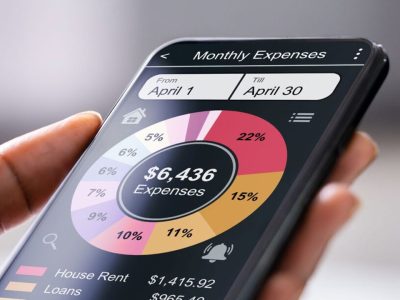
Once a month, go through your bank and credit card statements and categorize spending as planned or unplanned. Don’t judge. Just track.
Most people find their unplanned spending is higher than they thought. Seeing that number monthly creates accountability and awareness without the shame-based approach of traditional budget guilt.
Over time, you’ll likely see the unplanned spending number decrease as your awareness increases. This is the goal: not perfection, but gradual improvement in the direction of intentional spending.