 By
By What the Challenge Actually Is
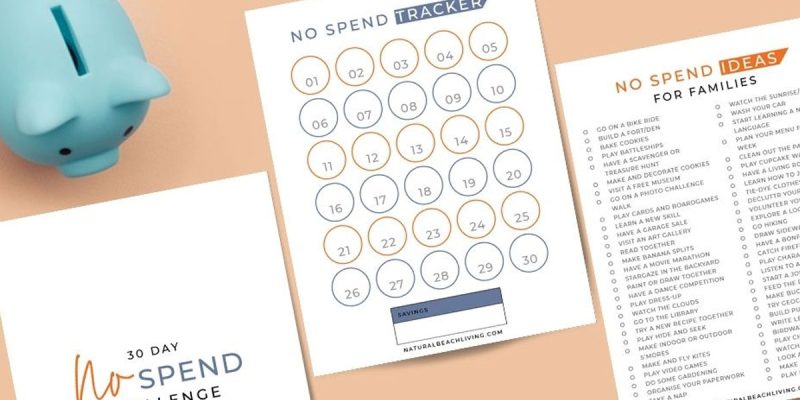
A no-spend challenge doesn’t mean paying no money for anything. Rent still gets paid. You still buy groceries. The gas tank still gets filled. What stops is discretionary spending: the online shopping, the coffee shop runs, the meals out, the impulse purchases, the streaming service you could pause.
The goal isn’t deprivation for its own sake. It’s two things. First, you save real money. Second, and more valuable, you get clear information about which of your spending habits you actually miss when they’re gone and which ones were just running on autopilot.
That information, honestly gathered, changes how you budget going forward. Not because a challenge taught you willpower, but because you now know which spending actually makes your life better and which was just there by default.
Setting Your Rules Before Day One
The challenge works best when you define your rules in advance and commit to them, because the in-the-moment decisions will always feel reasonable.
Non-negotiables (keep spending on these): housing, utilities, groceries with a list, medications, transportation for work, any pre-committed expense you can’t cancel.
No-spend territory: restaurants and takeout, clothing, entertainment subscriptions (pause them for the month), impulse purchases of any kind, coffee shops, alcohol from bars, home goods and décor, beauty products beyond what you already have.
Gray areas to decide in advance: your kid’s school event that costs $5, the one work lunch that genuinely feels like it matters, a friend’s birthday dinner you’ve been looking forward to. Decide these cases before they happen so you’re not negotiating with yourself at the moment.
What Actually Happens the First Week
The first week is the hardest. Not because you’re starving or miserable but because you become acutely aware of how often you reach for your phone to buy something.
You’ll notice the urge to order dinner when you’re tired. You’ll notice the habit of checking Amazon when you’re bored. You’ll notice the autopilot that wants to stop at the coffee shop on the way to work. These urges exist regardless of the challenge. The challenge just makes them visible instead of invisible.
Most people find that noticing without acting on the urges is uncomfortable for about four or five days, then gets significantly easier as the new normal sets in. By day ten, most people are surprised at how manageable it feels.
What You’ll Discover That Actually Matters
By the end of 30 days, you’ll have clear answers to some questions that are hard to answer otherwise: What did you genuinely miss? What did you not miss at all, even though you did it regularly before? What alternatives to spending did you find that were actually fine?
The coffee shop miss is real for people who go for the ritual, the environment, the break from their desk. It’s barely there for people who go out of habit and make equally good coffee at home.
The restaurant miss is real when it’s about the social experience. It’s nearly absent for the tired Tuesday delivery order.
This clarity is more valuable than the money saved during the month. It lets you rebuild your spending with actual knowledge of what serves you instead of just habit.
What to Do When You Break the Rules
You will probably slip at some point. Someone will suggest dinner and you’ll go because the moment was right. You’ll order something small because you genuinely forgot it was the challenge.
This is fine. Don’t turn a slip into an excuse to abandon the whole thing. The value of the challenge isn’t perfection, it’s information. A month where you broke the rules three times and learned something about your spending is infinitely more valuable than a challenge you quit on day nine because you slipped once and decided it didn’t count anymore.
Note what happened, get back to the plan, and continue. At the end of the month, review what you saved, what you missed, and what you learned. Then apply that to your regular budget.