
 By
By Kids Notice More Than We Think
Saving on school supplies isn’t just a logistics problem. For kids, especially middle and high schoolers, what they bring to school is social. The binder, the backpack, the pencil case. It’s not that they’re materialistic. It’s that school is a social environment and fitting in matters to them in ways that are genuinely real.
This doesn’t mean you have to buy the expensive versions of everything. It means you should think about which items are highly visible (backpack, binder, maybe shoes) and which items genuinely don’t matter socially (pencils, notebook paper, folders inside a binder).
Save on the invisible items. Be more thoughtful about the visible ones.
The Inventory Step That Saves the Most
Every year, go through what your kid already has before you buy anything new. Open the old backpack. Check the pencil case. Look at last year’s binder.
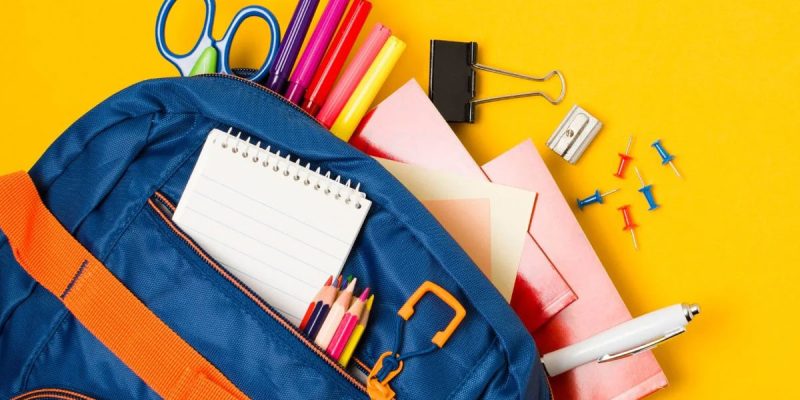
You will almost certainly find: packs of pencils that are half used, perfectly functional erasers, scissors, a ruler, crayons or markers that work fine, last year’s folders that can be reused. These don’t need to be replaced just because a new year started.
For kids, framing this as ‘using what we have’ rather than ‘we can’t afford new things’ matters. ‘These pencils still work great, so we can put that money toward something you actually care about’ is a different conversation than ‘we’re being cheap.’
Where to Save Without It Showing
Generic school supplies and store brand supplies are functionally identical to name brand ones. Crayola has great marketing. The store brand crayons work just as well in actual use. Composition notebooks, loose-leaf paper, pocket folders, glue sticks, pencil boxes: the generic versions are indistinguishable in practice and cost half as much.
Bulk buying for consumables saves money across the year. A 48-pack of pencils, a ream of notebook paper, a 24-pack of glue sticks. These are items that get used up over the year and buying more at once is simply cheaper per unit.
Sales in July and August on these exact items are significant. Target, Walmart, and most major retailers run genuine 50 to 70 percent discounts on school supplies during August specifically. If you can be slightly organized about shopping then rather than the weekend before school starts, you capture the best prices of the year.
The Backpack: Where to Actually Invest
Backpacks are the most socially visible school supply and also the one where cheap falls apart most visibly. A zipper that breaks in October on a $12 backpack creates a problem and usually means buying another one anyway, so you’ve spent $24 total.
A mid-range backpack from a brand with a decent warranty ($35 to $60) will last two to three years easily and looks fine. You don’t need the $90 premium brands. But you also shouldn’t expect the $12 one to make it through the year intact.
Buying a good quality backpack that lasts several years rather than a cheap one every year is both cheaper over time and removes a source of potential social embarrassment for your kid. This is a good place to not go too cheap.
Involving Your Kid in the Budget
This depends heavily on age, but for kids old enough to understand, giving them a school supply budget and letting them make choices within it is both financially educational and practically useful.
A 12-year-old given $60 for school supplies and taken to the store to make it work will quickly figure out where the money goes farther. They’ll choose the generic folders and save for the backpack they actually want. This is the most practical financial education available, and it turns a chore into something with agency.
They might make a choice you wouldn’t make. That’s fine. The experience of making real financial decisions with real money and living with the results is worth more than the savings you’d have made choosing for them.