 By
By Spirit Airlines Halts All Flights: What Happened?
In a move that has shocked the aviation industry, Spirit Airlines has halted all flights and begun shutting down operations with immediate effect. The decision, first reported by CNN, marks one of the most dramatic airline collapses in recent years and leaves thousands of passengers scrambling for alternatives.
According to sources familiar with the situation, the airline stopped flying in the early hours of Saturday, effectively grounding its entire fleet.
A Sudden End to a Major Budget Airline
For decades, Spirit Airlines built its reputation as one of the most affordable carriers in the United States, offering low-cost travel across domestic and international routes. At its peak, it played a key role in making air travel accessible to millions.
However, the airline’s financial struggles had been building for some time. It filed for bankruptcy multiple times in recent years and faced increasing pressure from rising operational costs and stiff competition.
The final blow appears to have come from a combination of economic and geopolitical factors. A sharp increase in fuel prices, partly linked to global tensions and the ongoing energy crisis, made it even harder for the budget airline to stay afloat.
All Flights Cancelled, Customer Service Shut Down
The airline confirmed that all flights have been cancelled and customer support services are no longer available. Travellers were advised not to go to the airport and instead seek alternative arrangements with other airlines.
For many passengers, this has created immediate disruption, especially for those already mid-journey or with upcoming travel plans. With no active customer service channels, affected customers are being forced to rely on credit card protections, travel insurance, or third-party booking platforms to recover costs.
Why Spirit Airlines Collapsed
The shutdown didn’t happen overnight. Several key issues contributed to the airline’s downfall:
- Rising fuel costs: A major increase in jet fuel prices significantly raised operating expenses.
- Failed bailout efforts: Attempts to secure financial support or government intervention did not succeed.
- Repeated bankruptcies: Ongoing financial instability weakened the company’s long-term viability.
- Intense competition: Larger airlines expanded low-cost offerings, squeezing Spirit’s market position.
These combined pressures made it impossible for the airline to continue operating sustainably.
What This Means for Travellers
The collapse of Spirit Airlines is likely to have ripple effects across the travel industry. With one of the largest ultra-low-cost carriers gone, ticket prices on certain routes could rise due to reduced competition.
Other airlines are expected to absorb stranded passengers, but often at higher fares. This could particularly impact budget-conscious travellers who relied heavily on Spirit’s low pricing model.
A Turning Point for the Airline Industry
The shutdown of Spirit Airlines is more than just a company failure, it signals a shift in the economics of budget air travel. As costs rise and competition intensifies, maintaining ultra-low fares is becoming increasingly difficult.
For travellers, it’s a reminder to plan carefully, consider travel insurance, and stay informed about airline stability, especially when booking budget flights.
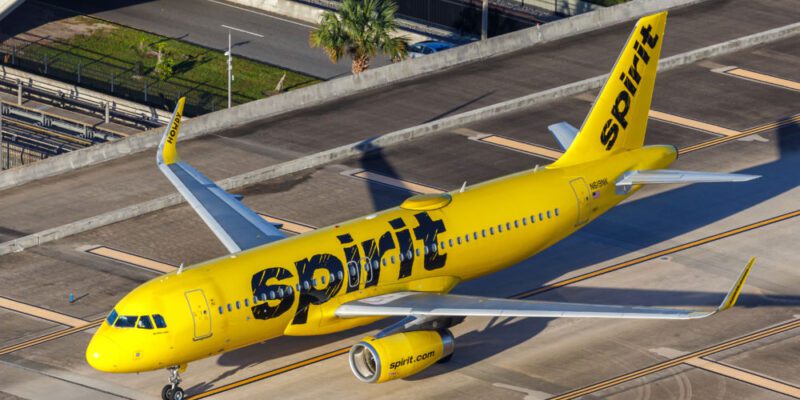
While Spirit’s bright yellow planes may no longer take to the skies, its impact on affordable travel will likely be remembered for years to come.