 By
By How AI Has Changed Grocery Shopping in 2026
The grocery shopping landscape in 2026 looks meaningfully different from even three years ago, primarily because of AI-powered tools that have become genuinely useful rather than merely promotional.
AI-powered meal planning apps can now take your dietary preferences, your budget, what’s on sale at your local store this week, and what you already have at home — and generate a weekly meal plan with a corresponding shopping list that’s optimized for cost and waste reduction. This used to require significant planning effort. It now takes five minutes and a few prompts.
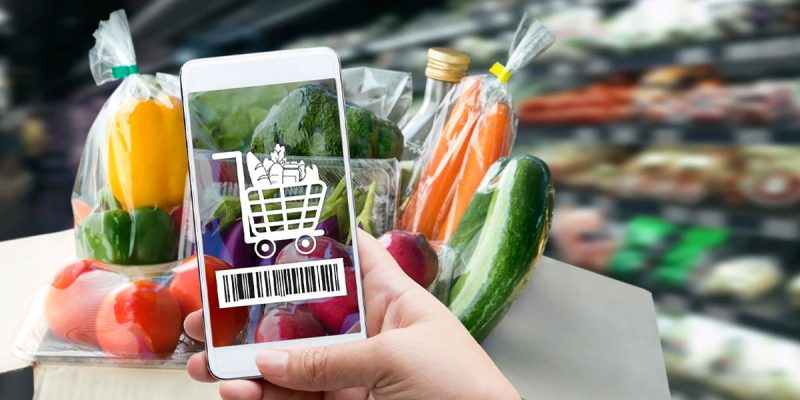
Receipt scanning and price comparison apps have also improved dramatically. Apps that read your grocery receipts, track your typical purchases, and automatically alert you when those items are on sale or cheaper at a nearby competitor have become genuinely time-efficient rather than requiring more effort than the savings justify.
But AI tools are supplements to, not replacements for, the fundamental practices that save money on groceries. The most sophisticated shopping app can’t overcome the cost of not planning meals, buying too much fresh produce, or defaulting to delivery when you’re tired.
AI Meal Planning Tools Worth Using
Meal planning apps that integrate with store sales data and your preferences have become genuinely useful in 2026. Apps like Mealime, Paprika, and various AI-powered meal planners connected to platforms like Instacart or Walmart Grocery can generate weekly plans based on what’s on sale this week.
The practical use case: before your weekly shop, spend five minutes in the app. It shows you which proteins are on sale this week. You select two or three. It builds meals around them using ingredients you’re likely to already have. The shopping list is generated automatically.
The time saved and the waste reduction from not buying produce you won’t use before it spoils can save $30-50 per week for households that currently shop without a plan. Over a month, that’s $120-200.
AI assistants like Claude can also help with meal planning and pantry management if you give them your inventory and constraints. Ask for a week of meals using what you have plus a minimal shopping list — the output is often surprisingly practical and cost-efficient.
Price Comparison and Cash Back in 2026
Price comparison across grocery stores used to require physically visiting multiple stores or maintaining a mental model of each store’s typical pricing. Apps and browser extensions now automate this.
Flipp (and similar apps) aggregates sale circulars from all grocery stores in your area and lets you search for items across all of them. If chicken breasts are on your list, you can instantly see which nearby store has them on sale this week.
Cash back apps like Ibotta have become more powerful and easier to use. In 2026, Ibotta has integrated with many major grocery chain apps, making the cash back process essentially automatic — you link your loyalty card and earn cash back without scanning receipts manually.
Kroger, Walmart, Target, and other major chains have their own increasingly sophisticated loyalty and digital coupon systems. Digital coupons clipped through the app and automatically applied at checkout require almost no effort and provide real savings on items you’d buy anyway.
Grocery Delivery Economics: When It Makes Sense and When It Doesn’t
Grocery delivery has become more affordable with the expansion of services and competition, but the economics still need to be examined honestly for your specific situation.
Delivery fees plus tips plus service fees typically add $8-15 to any grocery order. For a $100 order, that’s 8-15% overhead. For planned weekly shops where the alternative is making the same trip yourself, the question is whether the saved trip time is worth $8-15.
Where delivery genuinely makes financial sense: large planned orders where the fee is a small percentage of total order value, situations where going to the store triggers significant impulse purchasing (if you consistently spend $30 extra in-store versus your list, $10 delivery may save you money), and situations where the time has clear high-value alternative uses.
The subscription model (Instacart+, Walmart+, Amazon Fresh) changes the economics for frequent users. The monthly or annual subscription fee amortized over weekly deliveries can reduce per-delivery cost to $3-5. For households ordering groceries three or four times per month, the subscription typically pays for itself.
Building Your Personal Grocery System for 2026
The most effective grocery system in 2026 combines modern tools with the fundamentals that have always worked.
Weekly: use an AI meal planner or your own system to plan meals around what’s on sale, generate a specific shopping list, and stick to it.
Monthly: review your grocery spending to identify any drift from plan. Are you buying things that aren’t on the list? Is produce being wasted? Is delivery being used habitually rather than strategically?
Quarterly: check whether your grocery store is still the best value option for your typical purchases. New stores open, pricing strategies change, and your neighborhood’s competitive options may have shifted.
The goal isn’t a perfect optimized system — it’s a system that consistently reduces waste, reduces impulse purchases, and uses the best available prices without consuming more time and mental energy than the savings justify.