 By
By The Energy Bill Opportunity in 2026
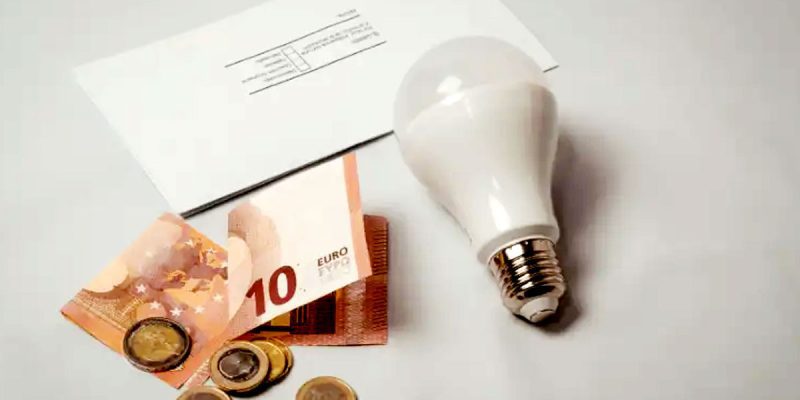
Energy costs have been elevated since the supply disruptions of 2021-2022, and while they’ve moderated in some markets, energy remains one of the most significant and most controllable monthly expenses for most households.
The good news in 2026: an unprecedented set of government incentive programs for energy efficiency improvements has made major upgrades significantly more affordable than before. The Inflation Reduction Act’s consumer incentives in the US include tax credits and rebates for heat pumps, electric vehicles, home insulation, solar installations, and efficient appliances that have made efficiency investments financially compelling in ways they weren’t previously.
This creates an unusual opportunity. The combination of relatively high energy prices and available incentives means that energy efficiency investments currently offer among the best guaranteed returns of any household spending. Unlike stock market returns, the return on a properly insulated attic or an efficient heat pump is predictable and not subject to market volatility.
The Free Steps That Save Money Immediately
Before spending a dollar on efficiency improvements, there are behavioral and settings changes that reduce energy costs with no investment.
Thermostat programming is the highest-impact free change for most households. Heating and cooling typically represents 40-50% of home energy costs, and setback temperatures during sleeping and working hours reduce consumption significantly. Smart thermostats automate this, but manual programmable thermostats do the same thing with more effort.
Water heater temperature. The default setting on most water heaters (140°F) is higher than necessary for most households and uses more energy to maintain. Lowering to 120°F is safe (and actually reduces scalding risk), reduces energy use for water heating, and costs nothing.
Sealing air leaks is a free or nearly free step with significant impact. Weather stripping around doors and windows, caulk around window frames and where different building materials meet, foam sealant around pipe and wire penetrations — the total material cost is under $50 for most homes and the labor is a weekend afternoon. Impact on heating and cooling bills can be 10-20% for drafty older homes.
The Rebate and Incentive Landscape in 2026
This section is specifically for US households, though other countries have similar (and in some cases more generous) efficiency incentive programs.
The Inflation Reduction Act created two main consumer incentive pathways. First, the Energy Efficient Home Improvement Credit provides a 30% tax credit (up to annual limits) for qualifying improvements including efficient windows and doors, insulation, heat pumps, heat pump water heaters, and electrical panel upgrades needed to support electrification. Second, the High-Efficiency Electric Home Rebate Act (HEEHRA) provides upfront point-of-sale rebates for lower-and-middle income households for the same categories of improvements.
Solar installation benefits from a 30% federal tax credit through 2032. For a $15,000 solar installation, that’s $4,500 directly off your federal tax bill. Many states have additional incentives on top of the federal credit.
Utility rebate programs often stack on top of federal incentives. Your utility company’s website or Energy Star’s rebate finder tool will show what’s available in your specific utility service territory.
The Most Cost-Effective Efficiency Investments
After free behavioral changes, some physical improvements offer excellent financial returns in the current environment.
Attic insulation and air sealing consistently ranks as the highest-return home energy improvement. Heat rises; an under-insulated attic lets it escape in winter and lets heat in during summer. The combination of air sealing and adding insulation to meet current code recommendations is often the investment with the fastest payback period.
LED lighting. If you haven’t completed the LED conversion of your home’s lighting, the remaining incandescent or CFL bulbs can be replaced inexpensively with LEDs that use 75-80% less electricity. This investment pays back within a year or two.
Heat pump water heaters use heat pump technology to move heat from the surrounding air into the water rather than generating heat directly. They use 60-70% less electricity than conventional electric water heaters. With the federal tax credit and utility rebates, the effective cost is often comparable to a conventional replacement.
Smart Home Technology for Energy Management
Smart home technology for energy management has become more affordable and more genuinely useful in 2026. Several specific technologies have clear financial value.
Smart thermostats are worth the $150-250 investment for most homes that don’t already have them. The energy savings from automatic scheduling and geofencing (adjusting temperature when you leave home) typically pay for the device within one to two years.
Smart power strips cut phantom load from entertainment systems and home office equipment when primary devices are turned off. They pay for themselves relatively quickly through reduced standby power consumption.
Whole-home energy monitors (like Sense) can reveal which specific devices are consuming the most electricity, helping prioritize efficiency efforts. These are more of a diagnostic tool than a direct energy saver, but the information they provide can guide high-impact decisions.