 By
By How Streaming Became Just as Expensive as Cable
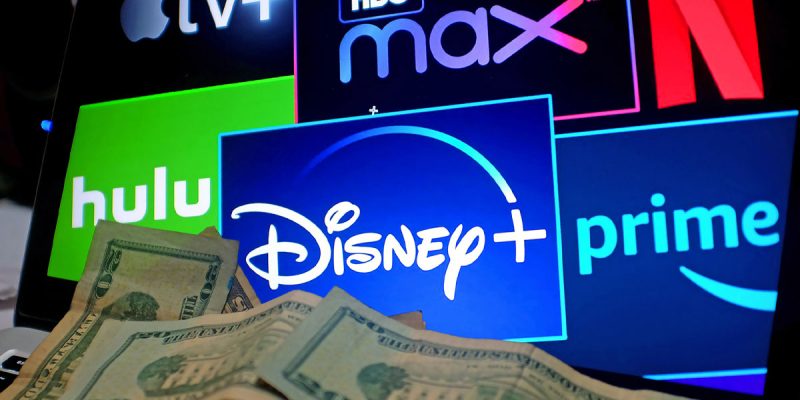
The cord-cutting movement promised liberation from expensive cable bills. A decade later, the streaming landscape has evolved in ways that have partially recreated the cost problem it was supposed to solve. Platform proliferation (Netflix, Disney+, HBO Max/Max, Peacock, Paramount+, Apple TV+, Amazon Prime Video, Hulu, ESPN+, and many more) has raised the total cost of maintaining broad streaming access to cable-comparable levels.
Price increases have been significant. Netflix, which launched its streaming service at $8/month, has multiple tiers reaching $22.99 for premium ad-free service in 2026. Disney+ has increased prices substantially since launch. Most platforms have moved in the same direction — prices up, ad-free experience commanding a premium, and some content now requiring additional rental fees even for subscribers.
The average streaming-engaged household now pays for multiple services simultaneously, often with significant content overlap, and may be spending $80-120 per month — approaching the cost of basic cable packages they switched away from.
The Content Audit: What You Actually Watch
The most useful exercise for streaming optimization is an honest content audit: what have you actually watched in the past 30 days on each service you pay for?
For most people, this audit reveals significant concentration. The vast majority of their viewing is on one or two services, while two to three others are paid for and rarely used. The rarely-used services are the obvious targets.
A further useful question: what specific shows or movies motivated each subscription in the first place, and have you watched them? Many streaming subscriptions are started for one specific title, persist on autopay after that title is finished, and the subscriber moves on to other services while still paying for the old one.
The optimal streaming stack is the one that covers the shows and genres you actually watch, with minimum redundancy across services. For most viewers, this is one to two services at a time, not four to six.
The Rotation Strategy: Watch and Cancel
Streaming services are uniquely suited to a rotation strategy that’s less practical with traditional cable. You can subscribe, watch what you want, cancel, and re-subscribe months later when new content you want becomes available.
The rotation approach: maintain one or two anchor services you use consistently. For other services, subscribe for one to two months when they have content you want to watch, then cancel. Netflix’s entire exclusive content library doesn’t release all at once — subscribing for two months every six months captures most of what you’d watch anyway.
Cancelling streaming services is unusually frictionless. Most services allow cancellation through their app or website in under two minutes, and you retain access through the end of your current billing period. There’s no contract, no early cancellation fee, and no difficulty getting re-access when you want it.
The primary risk of the rotation strategy is missing new releases during the gap months. For people who follow specific shows, managing this requires some planning. For people who watch content flexibly, the strategy captures most content at a fraction of continuous subscription cost.
Ad-Supported Tiers: The Value Has Improved
The ad-supported tiers of major streaming platforms have improved significantly since their introduction. In 2026, most major platforms offer ad-supported tiers at substantially lower prices than premium tiers, with ad loads of 4-5 minutes per hour — considerably less intrusive than traditional TV advertising.
The price difference between ad-supported and ad-free tiers is typically $5-7 per month per service. Across multiple services, this difference is $15-25 per month, or $180-300 per year — meaningful savings for accepting ad loads that many viewers adapt to without significant degradation in their viewing experience.
For households that maintain multiple streaming subscriptions, switching all or most to ad-supported tiers can produce significant annual savings without meaningfully changing the content available to watch.
Free Alternatives Worth Using
A significant amount of quality content is available through legitimate free alternatives that many people don’t use simply because they’re not aware of them or haven’t developed the habit.
Tubi, Pluto TV, Peacock (free tier), and The Roku Channel offer enormous content libraries funded by advertising at no subscription cost. The content includes older movies, TV shows, news, and some exclusive originals. The selection is not identical to Netflix, but for flexible viewers the overlap with paid streaming is often sufficient for significant viewing periods.
Library streaming is genuinely excellent. Kanopy (available through many public libraries) provides access to quality films, documentaries, and educational content. Hoopla provides streaming music, audiobooks, comics, and some video content through libraries.
YouTube’s free content includes an enormous amount of high-quality material across virtually every interest category, including feature-length films through YouTube Movies (ad-supported).