
 By
By The Lease Is a Contract With Financial Consequences
A lease is a legally binding contract that defines your financial obligations for the next 12 months (or however long the term). What it says matters. What’s not in it matters. And what you were told verbally but isn’t in it matters not at all legally.
Most renters sign leases too quickly, often under time pressure because they’ve found something they like in a competitive market. Reading carefully feels like it might slow things down or seem nitpicky. But the things that go wrong in rental situations almost always trace back to something that was or wasn’t in the lease.
What to Read Carefully in the Lease
The rent amount, due date, grace period, and late fee structure. The exact amount and terms should match what you were told. Late fee maximums are regulated in many states.
The lease term and early termination clauses. What happens if you need to leave early? Early termination fees, buyout provisions, and subletting rights determine your options and costs if your situation changes.
Security deposit terms. How much, what it covers, how and when it must be returned, and what constitutes deductions from it. Many states have specific security deposit laws that limit how deposits can be used and require specific timelines for return.
Pet policies. If you have or plan to have a pet, every aspect of the pet policy needs to be clear: whether pets are allowed, breed and size restrictions, pet deposit (refundable vs non-refundable), and monthly pet fees.
Utility responsibilities. Which utilities are included, which are your responsibility, and how shared utilities (water in a multi-unit building) are allocated.
What to Document Before Moving In
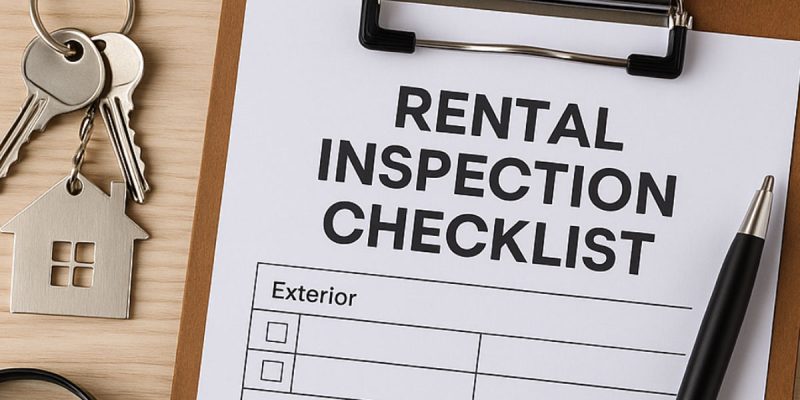
Before moving your belongings in, do a thorough walkthrough with the landlord and document everything you observe.
Photograph every room, every wall, every appliance, every fixture. Get close-up photos of any existing damage, no matter how minor. Date the photos (phone cameras do this automatically in the metadata).
Fill out the move-in condition form thoroughly and completely. If the landlord provides one, document every item. If they don’t provide one, create your own and have the landlord sign it or email them your documentation.
This documentation is your protection when you move out. Security deposit disputes are common and the tenant who has photographic evidence of move-in condition is in a dramatically better position than the one who doesn’t.
The Terms Worth Negotiating Before Signing
Landlords expect lease terms to be accepted as presented. Most will not proactively tell you what’s negotiable. But many terms can be modified if you ask.
Rent amount: depending on market conditions and how long the unit has been available, there may be room to negotiate a lower rent or request that certain fees be waived.
Lease length: a landlord seeking a long-term reliable tenant may accept a lower rent in exchange for a longer lease term. Or may accept a shorter lease if you need flexibility.
Pet policy: some landlords will accommodate a pet that their standard policy doesn’t allow, especially if you offer an additional deposit.
Parking fees: often added as a separate charge that’s sometimes negotiable, particularly when there’s ample available parking.
All negotiated changes should be in writing, either in a revised lease or in a written addendum both parties sign.
Red Flags That Should Make You Walk Away
Some lease terms and landlord behaviors are warning signs worth taking seriously before signing.
Refusal to provide the lease in advance for your review. Legitimate landlords are comfortable with you taking a day or two to read the lease. Pressure to sign immediately without adequate review time is a red flag.
Verbal promises about things that aren’t in the lease. ‘Don’t worry about that clause, it’s standard, I’d never enforce it’ is not a legal protection. If a term matters, it needs to be in the lease or the lease needs to be modified.
Security deposit requirements significantly above local norms or what the law allows. Many states cap security deposits at one or two months’ rent.
No clear process or contact information for maintenance issues. How repair requests are submitted and responded to matters for your entire tenancy.