
 By
By The Outdoor Spending Trap
Gardens and outdoor spaces have become significant spending categories for many homeowners, driven by the same forces that drive interior spending: aspirational media, product marketing, and the visible nature of what the neighbors have.
A quick calculation: a new patio or deck installation averages $3,000 to $25,000. Outdoor furniture sets run $500 to $5,000. Landscaping services often run $100 to $300 per visit. And then the plants, the tools, the outdoor lighting, the firepit. A yard renovation can easily cost $10,000 to $20,000 and require ongoing spending to maintain.
None of this is necessary for an outdoor space that you actually enjoy. The best outdoor spaces I’ve been in were not necessarily the most expensively designed ones.
Free and Nearly Free Plants
Plants are the category where gardening costs can be slashed most dramatically, because plants propagate. One plant becomes many plants over time, and gardeners who have extra plants give them away constantly.
The hand-me-down plant network is one of the most underused resources in gardening. Posting in neighborhood groups, local gardening clubs, or Nextdoor that you’re starting a garden and would love any cuttings, divisions, or extra plants produces remarkable generosity from gardeners who have more than they know what to do with.
Seed starting is far cheaper than buying transplants. A packet of seeds costs $2 to $4 and can produce dozens of plants. The same plants as transplants from a garden center cost $4 to $8 each. For annual vegetables and flowers, seed starting is often 10 to 20 times cheaper per plant.
Lawn Care Without the Service Bills
Professional lawn care services are among the most consistently overpriced recurring home maintenance costs. $40 to $80 per visit, every two weeks through the growing season, adds up to $1,000 to $2,000 annually for lawn care alone.
For most homeowners with standard-size lawns, a quality lawn mower ($250 to $400 for a good electric or gas mower), an hour of time every two weeks, and basic fertilizer application twice a year replaces the service at a fraction of the annual cost.
For the homeowner who genuinely doesn’t have time for lawn maintenance, a neighborhood teenager often charges $15 to $25 per mow versus professional services at $40 to $80. The actual mowing is not a skilled trade.
Tool Sharing and Libraries
Many specialized garden tools get used a few times per year. A rototiller for spring bed preparation. A chipper shredder for fall cleanup. A log splitter for anyone who heats with wood.
Tool libraries exist in many communities, specifically for this kind of occasional-use tool. Tools of the Trade, Sharing Shed, and similar community lending programs let you borrow exactly what you need when you need it without owning and storing equipment used twice a year.
Buying used garden tools through estate sales, thrift stores, and Marketplace is also practical. Garden tools are durable, their quality is visible, and good used tools from quality brands cost a fraction of new prices.
The Productive Garden: Where Outdoor Spending Pays Back
While ornamental landscaping is pure cost, a productive vegetable and herb garden can genuinely return more than it costs in reduced grocery bills.
As discussed elsewhere in this series, herbs have the best return per square foot of any garden crop. Tomatoes, salad greens, and a few other high-yield vegetables provide meaningful grocery value at minimal cost once the bed is established.
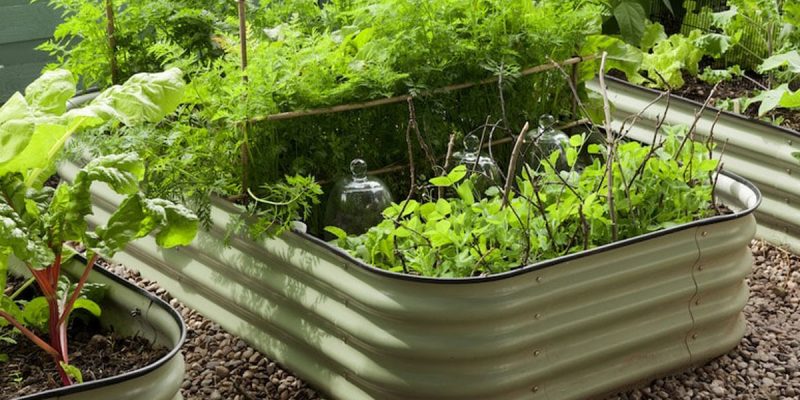
A raised bed built once from materials ($50 to $150 in wood or cinder blocks) and filled with a good soil mix ($30 to $60) provides years of productive gardening. The annual cost after the first year is seeds and perhaps some compost: $20 to $40. The annual grocery value from a productive small bed can easily be $200 to $400 in fresh herbs, tomatoes, and salad greens.