 By
By What a No-Spend Challenge Actually Means
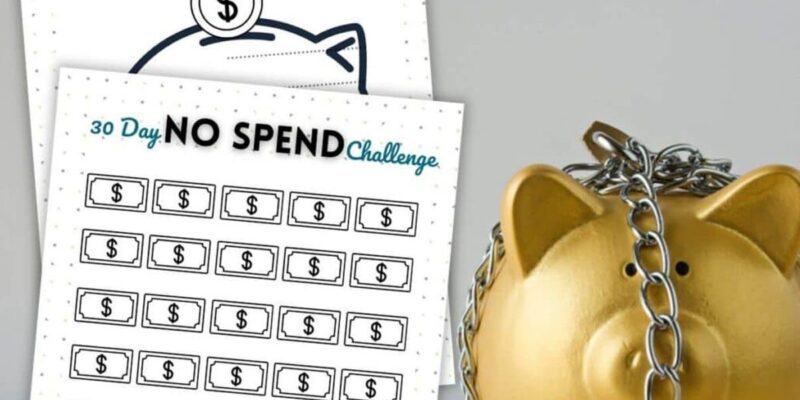
Let me clear up the biggest misconception before we go any further. A no-spend challenge doesn’t mean you stop paying rent, skip your electricity bill, or starve yourself for a month. It means you freeze all non-essential spending for a defined period. Bills, groceries, medication, fuel to get to work — those continue. Everything else stops.
No new clothes. No restaurant meals. No Amazon impulse buys. No coffee shop runs. No apps, games, gadgets, or random stuff that ends up on your doorstep and you barely remember ordering. For 30 days, if you don’t absolutely need it, you don’t buy it.
I did my first no-spend month almost by accident. I was between jobs for a stretch, money was genuinely tight, and I had no choice but to dramatically cut spending. What I discovered during those weeks changed how I thought about money in a way that reading five books about personal finance never quite did. I discovered that I had been spending on a kind of autopilot I didn’t even know was running.
The Psychology of Why It Works
Here’s the interesting thing about a no-spend challenge: the money you save isn’t actually the most valuable part. The awareness is.
When you can’t buy things for a month, you become acutely conscious of how many times a day you have the impulse to buy something. You’re bored — reach for the shopping app. You’re stressed — open a food delivery app. You finished a hard project — you feel you “deserve” something. You see an ad — suddenly you need a thing you’d never thought about twenty minutes ago.
A no-spend challenge makes all of this visible. Every impulse that previously resulted in a transaction now stops at the impulse stage, and you have to actually feel the desire without acting on it. That is uncomfortable at first. Then, for most people, it becomes incredibly clarifying.
You learn what you actually want versus what you just wanted in the moment. And the difference turns out to be enormous.
Setting the Rules Before You Start
The clarity of your rules determines the success of your challenge. Vague rules create rationalizations. Before day one, write down exactly what is and isn’t allowed for your specific situation.
Always allowed: rent, mortgage, utilities, insurance, groceries (with a list — no browsing), prescription medications, fuel or transit for work, minimum debt payments, and any genuinely pre-committed expenses you can’t cancel.
Generally not allowed: dining out and takeaway, clothing and shoes, entertainment subscriptions (pause them for the month), any shopping that isn’t pre-planned groceries, beauty and grooming beyond what you already own, home décor, gadgets, and anything you’d describe as “treating yourself.”
The gray areas are where challenges fall apart. Decide in advance how you’ll handle them. What about a friend’s birthday dinner? What about a professional development expense? What about a sale that won’t come again? Have an answer ready before you face the situation, because in the moment, every exception will feel reasonable.
My personal rule: if I have to ask whether something counts as essential, the answer is no. That single rule eliminates most rationalization.
What the First Week Actually Feels Like
Week one is when most people want to quit. Not because it’s financially hard, but because it’s psychologically uncomfortable in ways they didn’t anticipate.
You’ll notice how many social activities in your life are built around spending. Catching up with a friend means coffee or lunch. A Friday evening means drinks. A weekend means brunch or shopping or a movie. Suddenly you’re reorganizing your entire social life around free activities, which requires more planning and often more honesty with friends about what you’re doing.
You’ll also notice withdrawal symptoms from convenience spending that are more real than most people expect. Not being able to order delivery when you’re tired and hungry, having to cook from whatever you have, genuinely sitting with the discomfort of a craving you’re not going to satisfy — these feel significant in the first week.
Most people find week two easier. The new normal starts setting in. You get creative about free entertainment. You rediscover things you already own. You cook more and eat better than you did when you were ordering whatever arrived fastest. Week three is often when something clicks — a genuine lightness that comes from not being pulled toward constant consumption.
Substitutions That Actually Work
The trap of the no-spend challenge is using it as pure deprivation without replacing the functions that spending was serving. If you spent money to socialize, you need social activities that are free. If you spent money to manage boredom, you need engaging free activities. If you spent money as stress relief, you need other stress relief.
Free or nearly-free entertainment that many people genuinely enjoy during a no-spend month: cooking ambitious recipes from what’s already in the pantry, hiking and outdoor activities, visiting public parks and spaces, reading books from the library (physical and digital), watching what you already have in your streaming queue, board games and puzzles, reconnecting with a hobby you’d let slip.
Free social activities: hosting a potluck instead of going out, game nights, walks with friends, picnics using groceries you’d buy anyway. Most people find that free social activities are often more genuinely connecting than expensive ones because they require actual conversation rather than just being in the same restaurant.
What You’ll Discover About Your Spending
The practical revelations from a no-spend month are usually significant. Most people find: they were paying for multiple subscriptions they’d completely forgotten about and only discover because the charge tries to go through. They were spending considerably more on food (especially delivery and coffee) than they thought. They have more stuff at home than they realized — enough food, enough clothing, enough entertainment — and they never needed to keep adding to it.
They also discover which spending actually makes them happy. After 30 days of zero, the things you genuinely miss are the things worth spending on. The things you don’t miss tell you something too.
One participant in a personal finance community described going back to her normal spending after a no-spend month and finding she’d permanently lost the desire to shop online. Not because she suppressed it, but because the month had revealed it was mostly habit and boredom rather than genuine desire. That’s the lasting value of the exercise.
The Realistic Savings Number
How much will you actually save? It varies enormously by lifestyle, but typical results for people completing a genuine no-spend month range from several hundred to over a thousand dollars in savings compared to a normal month.
One common finding: the savings continue somewhat after the challenge ends. Because you’ve reset your baseline, the return to “normal” spending is usually more intentional and less than before. The challenge creates a new normal, not just a temporary austerity period.
A caution: don’t treat the money you save as a windfall to immediately spend. Put it toward your emergency fund, your debt, or a savings goal. The point of the challenge is to demonstrate that your current spending level includes meaningful waste that you won’t miss — that waste, redirected to financial goals, should improve your situation permanently.