 By
By The Distinction Most People Get Wrong
There’s a word that makes a lot of people uncomfortable: frugal. It conjures images of clipping coupons in a bathrobe, refusing to tip appropriately, bringing your own condiment packets to restaurants, and generally making everyone around you miserable in the pursuit of saving $4.
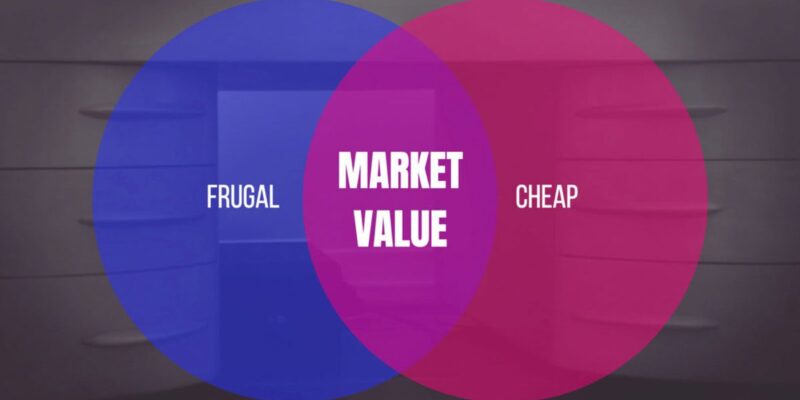
That’s not frugality. That’s being cheap, and those two things are genuinely different in ways that matter both financially and personally.
Cheap is about minimizing cost at the expense of value, relationships, or quality of life. Frugal is about maximizing value per dollar — being intentional and strategic about where money goes so it produces the most meaning or utility. A cheap person splits the restaurant bill to the penny after choosing the most expensive item. A frugal person chooses the restaurant thoughtfully, tips generously because they value the people who served them, and has money to do it because they’re not wasting it on things that don’t matter to them.
I want to make a clear case for frugal living because it gets a bad reputation from being confused with cheapness. Done right, frugal living doesn’t reduce your quality of life. It funds the quality of life you actually want while eliminating the spending that doesn’t contribute to it.
The Philosophy of Frugality
The word frugal comes from the Latin frugalis, meaning virtuous and economical. In its original sense, frugality wasn’t about poverty or deprivation — it was about wisdom in the use of resources. Not wasting what you have. Not overconsumption for its own sake.
Modern frugality, at its best, is about alignment between your spending and your values. You figure out what genuinely matters to you — experiences, relationships, security, creativity, health, whatever it is — and you direct your money toward those things deliberately. Then you aggressively cut everything else, not because you’re afraid to spend but because you’ve decided those things aren’t worth your money.
This is philosophically different from cheapness, which is just a generalized aversion to spending that applies even to things that genuinely matter. The cheap person won’t pay for a good doctor, won’t invest in tools for their work, and won’t spend on experiences that would bring real meaning. The frugal person will spend generously on what matters and almost nothing on what doesn’t.
Real Examples of the Difference
Let me give you some concrete examples because the distinction is clearer in practice than in theory.
Cars. Cheap: driving an unreliable car that breaks down repeatedly because you won’t pay for maintenance, costing more in repairs and missed work than a better car would have cost. Frugal: buying a reliable used car, maintaining it properly, and keeping it for ten or twelve years instead of upgrading every three.
Food. Cheap: buying the lowest quality ingredients that result in food you don’t enjoy eating, or refusing to ever eat at a restaurant and declining social invitations as a result. Frugal: cooking most meals at home from quality ingredients, planning meals to minimize waste, and choosing restaurants thoughtfully so the experience is worth the cost.
Clothing. Cheap: buying the cheapest possible clothing that wears out quickly and looks poor quickly, meaning you replace it constantly at higher total cost. Frugal: building a smaller wardrobe of good-quality versatile pieces that last years, spending more per item but far less total, and rarely shopping.
Gifts and social obligations. Cheap: giving thoughtless, minimal gifts to signal you don’t want to spend money, or skipping events because you don’t want to contribute. Frugal: giving genuinely thoughtful, creative gifts that might cost less than a generic expensive gift but show real care, or cooking a homemade dish for a gathering that’s more meaningful than store-bought.
Where Frugal Living Actually Saves the Most
The highest-impact areas for frugal living are the big three expenses that dominate most budgets: housing, transportation, and food. Small savings in these categories, sustained over years, dramatically outperform aggressive coupon-clipping on groceries or buying generic coffee.
Housing: living slightly below your means here has enormous compounding benefits. The difference between renting the apartment you can barely afford versus the one that’s comfortable but not stretching you can be hundreds of dollars a month. Some frugal people practice house hacking — buying a small multi-unit property, living in one unit, and renting the others to offset or eliminate their housing cost. This is sophisticated frugality that takes significant planning but has life-changing financial results.
Transportation: the choice to own one car instead of two, to buy a reliable used car instead of a new car, or to live somewhere walkable or with good public transit is worth more in lifetime savings than virtually any other frugal decision you can make. Cars are expensive not just in purchase price but in insurance, maintenance, depreciation, and fuel. Every year you extend a paid-off car’s life is a year you’re not making car payments.
Food: cooking at home most of the time, planning meals, minimizing waste. This is where most people leak significant money without the leak feeling significant because each individual meal out or delivery order seems small.
What Frugal Living Is Not
It’s worth being clear about what frugality should never mean, because this is where people take it too far and end up making their lives worse.
It shouldn’t mean sacrificing health. Buying cheap food that’s nutritionally empty, skipping doctor visits, or avoiding necessary medications to save money are false economies. Your health is expensive to recover from when neglected and your ability to earn income depends on it.
It shouldn’t damage relationships. Refusing to attend a friend’s wedding because of the gift cost, never joining social activities that involve any spending, or being transparently resentful about others’ spending creates real social costs that are worse than whatever you’re saving.
It shouldn’t mean never enjoying money. The point of being frugal is to have money for the things that matter. If you’re aggressively frugal but never actually spend on the experiences or things that bring you joy, you’re hoarding, not being smart about money.
It shouldn’t mean buying cheap when quality matters. The frugal mindset applies cost-benefit analysis: is this spending worth the value I get? Sometimes the answer is yes, even for something expensive. Always choosing the cheapest option regardless of quality is cheapness dressed up as frugality.
Building a Frugal Lifestyle That Feels Good
The frugal people I know who are happiest about their financial lives share a trait: they’re not fighting themselves about spending. They’ve genuinely internalized what matters to them, made peace with spending on it freely, and built habits around not spending on the rest.
Getting there takes some reflection. What experiences or things in your life have genuinely added happiness? What have you spent money on that you barely remember? What purchases do you look back on with satisfaction versus regret?
The answers are different for everyone. Someone who loves travel should spend on travel and cut deeply in other areas. Someone who gets genuine joy from a well-designed home should spend on their space and not apologize for it, while being frugal about things they care less about.
Frugality, done well, is a tool for intentionality. It’s about making your money serve your actual life rather than flowing out in a thousand directions most of which don’t particularly matter to you. That’s not deprivation. That’s freedom.