
 By
By What Fixed Costs Actually Are
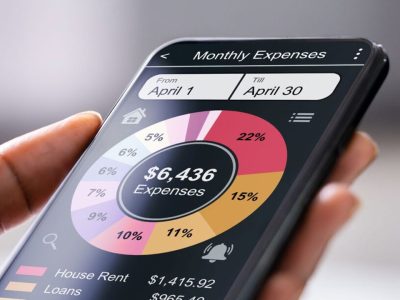
Fixed costs are the expenses you have to pay every month whether you work or not, whether you’re healthy or sick, whether the economy is booming or tanking. Rent or mortgage. Car payments. Insurance. Subscriptions. Loan minimums. Childcare.
These are different from variable expenses like groceries or dining out, which you can reduce quickly if you need to. Fixed costs are commitments. They continue unless you take a specific action to change them, and many of them are hard or impossible to change quickly.
The sum of your fixed costs sets a floor on your monthly spending. Below that floor, you cannot go even if you try. And the higher that floor, the more dependent you are on your income continuing at its current level.
Why Low Fixed Costs Create Options
A household with $2,200 in monthly fixed costs and $4,500 in monthly income has options. If the primary earner gets laid off, the household can survive on unemployment and savings for a meaningful period. If someone wants to take a lower-paying job they find more meaningful, they can. If a business opportunity comes along that requires months of low income during startup, they can consider it.
A household with $4,100 in monthly fixed costs and $4,500 in monthly income has almost none of those options. Any disruption to income creates immediate crisis. Any aspiration that involves a temporary income reduction is practically impossible. They are dependent on their current income with almost no margin.
The same income. Completely different financial flexibility. The difference is the fixed cost structure.
How Fixed Costs Accumulate Without You Noticing
Fixed cost creep is insidious because each individual addition feels justified and small. You move to a nicer apartment: $300 more per month. You get a car loan on a newer car: $400 per month. You add a gym: $50 per month. You pick up a few subscriptions: $80 per month. You start a meal kit service: $120 per month.
None of these feels significant individually. Together, they’ve added $950 to your monthly fixed costs, which requires nearly $11,400 more in annual income just to break even with where you started.
This is lifestyle inflation in its most financially dangerous form, because fixed costs are sticky. Variable spending that goes up can be cut immediately. A lease signed for a year, a car loan signed for five years, and a subscription with a cancellation fee take time and sometimes money to undo.
The Housing Decision Dominates Everything
Of all fixed costs, housing has by far the largest impact on financial flexibility. The difference between spending 22 percent of income on housing and spending 38 percent is often $500 to $800 per month. Over five years, that’s $30,000 to $48,000 that either went to savings and investment or went to extra housing costs beyond what was truly necessary.
The practical implication: when you’re choosing where to live, defaulting to as much housing as you can technically afford is one of the most expensive financial decisions most people make without realizing it.
A smaller, less impressive place that keeps housing under 25 percent of income is not a sacrifice of quality of life. It’s a decision to keep options open, reduce financial stress, and direct money toward things that compound.
Building a Low Fixed Cost Life Deliberately
This doesn’t mean living miserably. It means making deliberate decisions about what goes into your fixed costs based on what actually matters to you, rather than accepting every possible upgrade as a default.
The question to ask before any fixed cost addition: is this worth being locked into for the next year or more? Would I rather have this committed expense, or would I prefer the financial flexibility that money represents?
Low fixed costs paired with intentional variable spending on things you genuinely value produces a better financial life than high fixed costs that consume income before you even have a choice about how to use it.