 By
By The public library is one of the most remarkable institutions in modern society, and one of the most underused. Most people think of it as a place to borrow books, which is true. But the modern library — especially in mid-sized to large cities — has become something much more: a community hub with an extraordinary range of free resources that most of its potential users don’t know exist.
The Obvious: Books and Media
The core library function — free borrowing of books — is still its most valuable offering for most people. A modest reading habit of two to four books per month, buying each new, costs $20-60 monthly or $240-720 annually. Borrowing all of them costs nothing. The same applies to audiobooks: commercial audiobook subscriptions (Audible) cost $15/month. Library audiobooks through apps like Libby are free. DVDs and Blu-rays, where libraries still stock them, are free to borrow. For a family that reads and watches regularly, the library replaces several hundred dollars of annual spending.
Digital Libraries: Libby and Overdrive
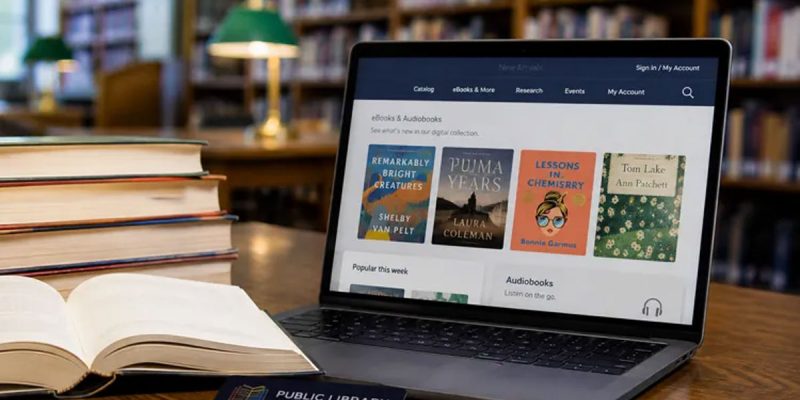
Libby (powered by OverDrive) gives you access to your library’s digital collection of ebooks and audiobooks directly from your phone or tablet, without visiting the physical library. Most UK and US public library systems are enrolled. You log in with your library card, browse, borrow, and read — all free. The selection has expanded significantly in recent years. For people who’ve shifted to ebooks and audiobooks, Libby effectively replaces Kindle purchases and Audible subscriptions entirely for many reading habits.
Streaming and Entertainment
Many library systems offer free access to streaming services through library partnerships. Kanopy provides free film streaming — particularly strong on documentary and art house films — through participating libraries in the US, UK, and Australia. Hoopla offers a different catalog including comics, music, and films. Some library systems have partnerships with additional streaming services. Check your specific library system’s digital offerings — the range varies but the total value is frequently £100-200+ annually in replaced subscriptions.
Magazines and Newspapers
Digital magazine and newspaper access through library cards is largely unknown but widely available. Pressreader and Libby’s magazine sections give access to hundreds of current magazines and newspapers. The New York Times, Financial Times, and other premium publications are available through some library systems. For anyone paying for magazine subscriptions or news subscriptions, this can replace $50-200 in annual subscription costs.
Learning and Courses
Many library systems provide free access to LinkedIn Learning (formerly Lynda.com), which offers thousands of professional courses in technology, creative skills, and business. In the UK, many libraries offer access to language learning platforms. Some systems provide access to exam preparation materials, professional certification study resources, and academic databases. For anyone paying for online learning subscriptions, the library equivalent is worth checking first.
Tools and Unusual Lending
The tool library concept — where libraries lend drills, saws, garden tools, and other equipment rather than books — has spread to many communities. Some libraries lend camping gear, musical instruments, sewing machines, telescopes, and other occasional-use items. For equipment you need once or infrequently, borrowing from the library beats both purchasing and renting from commercial services.
Pros and Cons
Pros: Completely free with a library card. Replaces multiple paid subscriptions and purchases. Accessible digitally from home for most resources. Constantly expanding digital offerings. Children’s library services are exceptional for families.
Cons: Digital holds for popular items can mean waiting. Physical library requires visiting during opening hours. Some digital services require the library system in your area to have specific partnerships. Selection is curated and may not include the most recent releases immediately.