
 By
By The Occasion Spending Spiral
Celebrations have a way of expanding beyond their original scope. A birthday dinner that becomes a weekend. A holiday that starts requiring more elaborate gifts than it used to. A graduation that becomes a catered event.
Each expansion feels justified by the importance of the occasion. And occasions are important. But the spending expansion is not always proportional to increased meaning. Some of the most meaningful celebrations are simple. Some of the most expensive ones are forgettable.
The pattern to notice: was last year’s version of this celebration actually better because it cost more? If the honest answer is usually no, that’s useful information for planning this year’s version.
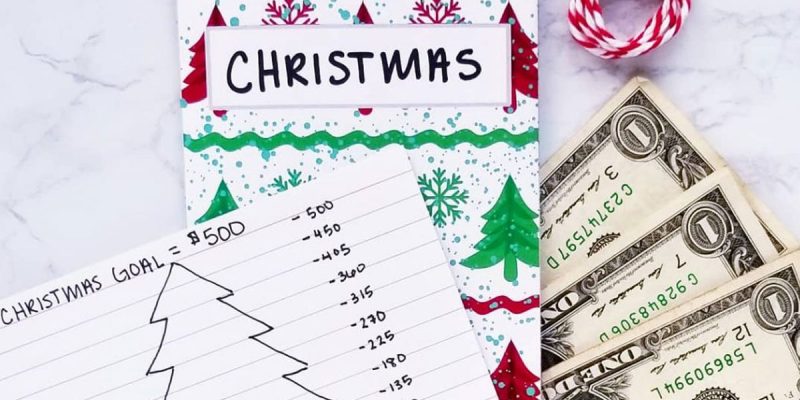
Holidays: Plan and Save From January
Holiday spending, particularly winter holidays, is the most predictable major annual expense that most households treat as a surprise.
The holidays are in December every year. They always cost roughly the same amount, adjusted for your family’s gift and entertainment approach. Dividing last year’s total holiday spending by 12 and transferring that amount monthly into a dedicated savings account produces a fully funded holiday budget by November, with no December scrambling or January credit card reckoning.
Simply doing this one thing converts the most common debt-creating event of the year into a planned expense with no aftermath.
Birthdays: The Right-Sized Celebration
Birthday celebrations scale appropriately with the birthday, the relationship, and your genuine financial situation. A partner’s milestone birthday warrants more effort and expense than a colleague’s birthday. A child’s fifth birthday means something very specific to a five-year-old and doesn’t require a $500 venue and professional entertainment.
For children’s birthdays specifically, the simplest version that their age group genuinely enjoys (which is often quite simple) is usually the best option. Children under eight primarily want to feel celebrated, play with friends, and have cake. The elaborate additions are primarily for adult comparison purposes.
For adult celebrations among friends, setting explicit budget expectations for group gifts eliminates the awkward guessing and usually results in everyone spending less with less anxiety.
Gift-Giving: The Alternatives That Work Better
Experience gifts, as discussed elsewhere, consistently outperform objects in remembered enjoyment. A shared experience with the person you’re celebrating often costs less and means more than a specific purchased item.
For families with more things than they need, consumable gifts (food, candles, experiences, subscriptions they don’t have) often provide more real utility than adding to a collection of possessions.
For people who are truly at a loss for what to give: a genuine handwritten card explaining what you appreciate about the person, attached to a modest but specific gift, lands better than an expensive impersonal purchase. The card is almost always the part of the gift they remember.
Hosting Celebrations at Home
Home celebrations are almost always cheaper than venue celebrations and often more memorable. They’re more personal, more flexible, and allow you to create the atmosphere you actually want rather than working within a venue’s constraints.
A dinner party for eight or ten, with good food, good wine, and good company, costs $150 to $300 and is remembered more fondly than most venue events at three times the cost. The effort is real but for people who enjoy cooking and hosting, the effort is also part of what makes it meaningful.
For gatherings too large for your home, parks with reserved pavilions, community spaces, and church halls are far cheaper than commercial venues and work well for casual celebratory events.