 By
By The Real Cost Premium of Living Alone
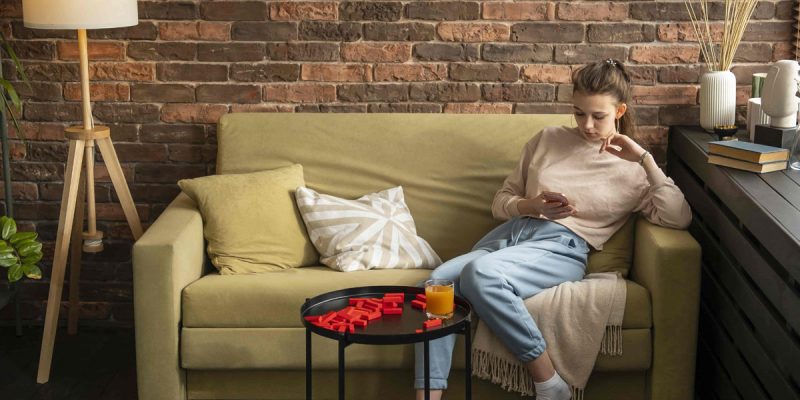
Living alone is genuinely more expensive per person than shared living. All fixed housing costs, rent, utilities, internet, renter’s insurance, fall entirely on one person rather than being split.
A two-bedroom apartment split two ways at $1,800 per month is $900 per person. A one-bedroom at $1,400 per month for one person costs 56 percent more for likely less space. Utilities, same dynamic. A one-person household pays the same base connection fees as a two or three person household and splits them with no one.
This premium is real and substantial, sometimes $400 to $800 per month more than shared living for an equivalent quality of life. It’s also often worth paying for people who strongly value privacy and autonomous living. The question is how to manage it intelligently.
Housing: The Biggest Lever
The single most impactful savings decision for solo dwellers is choosing housing thoughtfully relative to their income.
A studio or smaller one-bedroom in a good location typically costs 20 to 30 percent less than a standard one-bedroom and creates a living situation that works fine for most solo dwellers. The extra bedroom in a one-bedroom apartment is often barely used. Not having it eliminates 20 to 30 percent of rent.
Location also drives significant cost variation. A well-located studio in a slightly less trendy neighborhood near good transit is often both cheaper and more practically useful than an apartment in the most desirable neighborhood that costs an extra $300 per month.
Food for One Without Wasting Half of It
Cooking for one is one of the genuine practical challenges of solo living. Recipes designed for four people, produce that goes bad before one person can finish it, and the effort of cooking a full meal for yourself when you’re tired and it feels like a lot of effort for one person.
Strategies that help: cooking once and eating twice or three times from the same batch. Scaling recipes down (half of most recipes scales fine). Buying smaller quantities even when the larger size is better unit value, because half a head of cabbage in the trash is more expensive than a slightly pricier smaller cabbage that you actually use.
Freezing individual portions is more useful for solo dwellers than for households with multiple people, because it eliminates the waste problem for perishables and provides variety without cooking every day.
The Grocery Shopping Adjustments That Work for One
Grocery stores are not designed for single-person households. Most packaging assumes two to four people. The result is either buying too much and wasting it or paying more per unit for smaller portions.
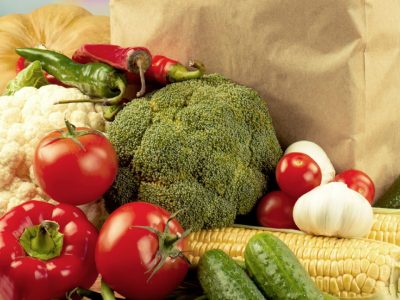
Frozen vegetables and proteins are more practical for one-person households than fresh versions because they don’t expire. Buying fresh produce with a specific plan to use it within two to three days reduces waste.
Buy the unit that fits your actual consumption rather than the one with the best unit price. Buying a five-pound bag of potatoes because it’s cheaper per pound than three potatoes, and then watching four pounds of them go soft in the back of your pantry, is not economical.
The Social Spending Trap
One pattern worth noticing for people living alone: compensating for the solitude of solo living with expensive social spending. Always saying yes to invitations, always picking up a round to feel generous, always choosing the more expensive option because you feel slightly lonely and the atmosphere makes you feel better.
This spending often comes from the right place. You want connection. You value being part of things. The financial problem is that expensive social spending as a response to loneliness is an expensive and indirect solution to what’s actually a social connection need.
Building genuine, consistent social connection through activities that are either free or cheap, shared cooking, sports leagues, community events, regular friend routines, addresses the actual need more directly than expensive going out.