 By
By Why Shopping With Kids Is So Expensive
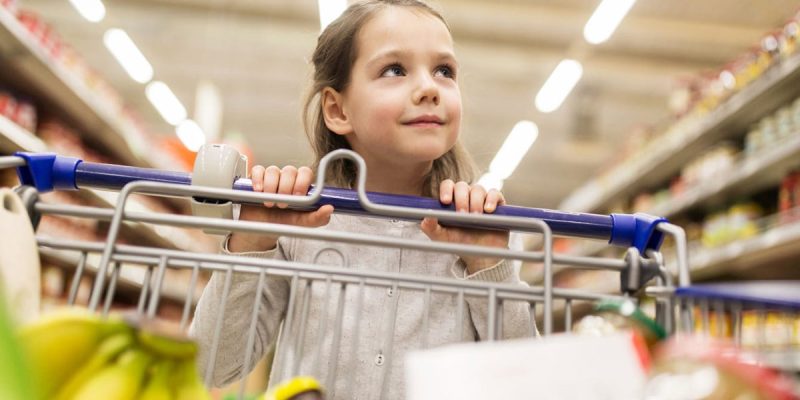
The average grocery trip costs more when children are along. This is documented, predictable, and not your fault in the sense that it’s a structural problem with how grocery stores are designed and how children behave in them.
Grocery stores put kid-targeted items at child eye level. Checkout lanes are lined with candy and small toys priced just right for ‘just one thing.’ Kids request items constantly, and the path of least resistance, saying yes to get through the trip faster, is expensive over a year of grocery trips.
Understanding that this is by design helps. The grocery store is not your child’s friend. It is a commercial environment optimized to extract money from families, and children are a specific vector for that.
The Pre-Trip Strategy
Preparation before you walk in the door is where you win or lose the budgeted grocery trip with kids.
Feed children before shopping. Hungry children are dramatically worse in grocery stores than fed children. They want everything. They whine. They are genuinely less able to cope with the constant stimulation. This one step reduces in-store conflict significantly.
Explain the plan before you go. ‘We’re getting what’s on the list and we have a budget of $85. If you help me stick to it and we finish under budget, we can use the difference for [specific treat you’ve pre-decided].’ This gives kids a role and a reason to cooperate.
Bring something to keep them occupied. A book, a small toy, a simple game. A child who has something to engage with is less focused on the products around them.
Involving Kids in the Process
Kids who are actively participating in grocery shopping are less bored, less focused on wanting things, and actually useful.
Give younger kids a job: finding specific items, counting items as they go in the cart, carrying a small basket. Physical involvement keeps them busy and engaged.
For older kids, let them help navigate. Give them a section of the list to find. Let them compare two options to find the better unit price. These activities are genuinely educational and keep their focus on the task rather than on desired items around them.
Handling the Inevitable ‘I Want That’
Kids ask for things at the grocery store. This is universal and predictable. Having a pre-decided answer is much better than negotiating in the moment.
The ‘maybe next time’ approach: acknowledge the request without committing. ‘That looks interesting, let’s put it on the maybe list.’ Then forget the list. Works for younger children who don’t track follow-through as closely.
The ‘one item, under $3’ approach: each child gets to pick one thing under a certain amount. This gives them agency, limits the cost, and ends the negotiation at the start of the trip rather than repeatedly throughout it.
The ‘we already have a plan’ approach: simply redirecting to the task. ‘We’re not getting that today, but we’re getting [thing on list]. Can you help me find it?’ Redirect without lengthy discussion.
Organizing the Cart to Protect the Budget
The checkout lane is the most dangerous part of any grocery trip with children. The candy, the small toys, the magazines, all strategically placed to be at child eye level and priced to feel trivial.
Lane selection helps: self-checkout lanes often have fewer impulse items. Some stores have kid-free checkout lanes specifically to avoid this dynamic.
The distraction strategy: give kids something to hold or look at while in line. Your phone, their book, anything that occupies their attention during the two to five minutes of lane temptation.
Having the conversation ahead of time that we’re sticking to the list and checkout candy isn’t happening today removes the negotiation from the moment and makes it a rule rather than a decision.