 By
By What Freezer Cooking Actually Is
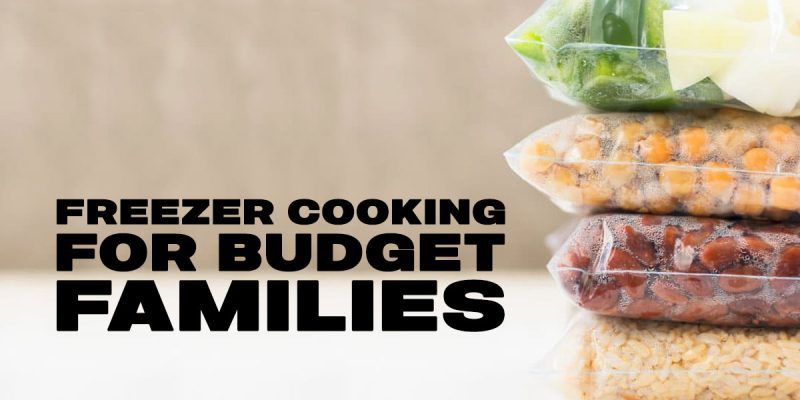
Freezer cooking (also called batch cooking or once-a-month cooking) is the practice of preparing large quantities of food in advance, freezing it in meal-sized portions, and drawing from that frozen inventory for meals throughout the week or month.
This is not a new concept — it’s what every restaurant does at scale, what most serious home cooks do in some form, and what generations of families did before the convenience food and restaurant delivery industries made it seem unnecessary.
The financial case is straightforward: frozen homemade meals cost 30 to 70 percent less than equivalent convenience foods, delivery meals, or restaurant meals. The time economics improve because cooking in large batches is more efficient per serving than cooking individual meals.
The practical payoff: on the Tuesday evening when you’re exhausted and have no plan for dinner, having six portions of chicken tikka masala in the freezer means dinner is ready in ten minutes at a cost of $2 to $3 per serving instead of $20 to $30 from delivery.
What Freezes Well (And What Doesn’t)
Successful freezer cooking depends on understanding what foods maintain quality through freezing and reheating.
Excellent for freezing: soups and stews (virtually any), braised meats, chili and bean dishes, curry and similar sauced proteins, cooked whole grains, most pasta sauces (freeze sauce separately from pasta), meatballs, casseroles (assembled before baking or after), burritos and other wrapped foods, and most baked goods.
Poor candidates for freezing: dishes with high water content fresh vegetables that become mushy (lettuce, cucumbers, raw tomatoes), cream-based sauces that separate on reheating, fried foods that lose crispness, and egg dishes that change texture significantly.
The practical starting list for a new freezer cook: a pot of soup, a large batch of chili, and a doubled portion of whatever dinner you’re already making this week. These three additions to your existing cooking require minimal additional effort and create a small frozen inventory that immediately provides the “emergency dinner” benefit.
The Assembly Session Strategy
Dedicated freezer cooking sessions — setting aside two to four hours to produce a week or month’s worth of frozen meals — are more efficient per serving than cooking each meal individually.
A realistic four-hour session for one person can produce: a large batch of chicken soup (covers six servings), a pot of bolognese sauce (covers eight servings of pasta), two dozen meatballs, a double batch of beans from dry, and a tray of brownies for the week. That’s 14 to 20 meal portions from four hours of active cooking time — a much better time ratio than cooking 14 to 20 individual meals.
The grocery strategy for assembly sessions: plan all recipes before shopping, identify ingredient overlaps (buying a larger chicken and using half for soup, half for another dish), and shop from a specific list sized for the planned output.
Labeling and Inventory Management
The freezer full of unlabeled containers is not a meal prep system. It’s a mystery graveyard of uncertain origin items that nobody wants to thaw and discover.
Every frozen item needs: contents, date frozen, number of servings, and any reheating notes. Masking tape and a permanent marker take five seconds per container and make the difference between a functional freezer inventory and an anxiety-inducing mystery zone.
A freezer inventory list — a simple document or whiteboard listing what’s in the freezer with dates — prevents the organizational failure where the oldest items sink to the bottom and get forgotten. The rule is FIFO: first in, first out. Oldest items at the front, newest at the back.
Freezing flat in gallon zip-lock bags rather than in containers allows much denser storage — flat frozen bags can be stacked like files. Once frozen flat, they can be stored vertically like a filing system that allows easy visual inventory.
The Family Acceptance Challenge
Freezer cooking is only valuable if the family actually eats the frozen meals. The challenge: frozen and reheated food is psychologically less appealing than fresh food, even when the quality is equivalent.
Strategies that improve family acceptance: freezing meals that are naturally better after time (soups, stews, chili all improve with time as flavors develop), being transparent about what’s in the freezer and including family members in planning what goes in, and maintaining some fresh-cooked meals in the weekly rotation so freezer meals aren’t the entire experience.
Presentation matters more than people expect. A reheated soup served with fresh bread, a sprinkle of fresh herbs, and proper bowls rather than plastic containers tastes better than the same soup served in the takeout container it was reheated in. Small presentation investments make frozen meals feel like made-today food.