 By
By How Couponing Has Changed
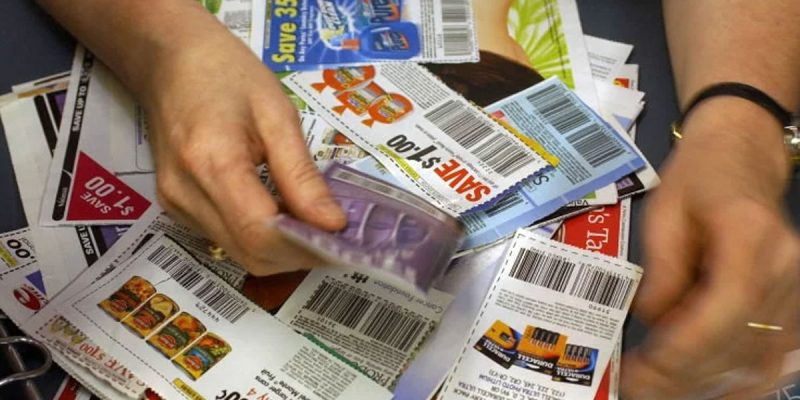
The couponing landscape of 2026 looks substantially different from the print-coupon era. The Sunday newspaper insert has been replaced by digital apps. The binder full of carefully organized coupons has been replaced by loyalty card integrations that apply discounts automatically at checkout. The extreme couponing television show era’s 30-for-one stockpile culture has given way to more practical digital deal stacking.
The good news: digital couponing is less time-intensive than print couponing was. The barrier to accessing available discounts is lower. The bad news: the discount depth for most everyday items is lower than print couponing occasionally produced, and the game theory has shifted — manufacturers offer fewer deep discounts and more modest everyday savings.
The people getting the most value from couponing in 2026 are not the extreme couponers stockpiling dozens of units of products they barely use. They’re people who systematically capture the available digital discounts on items they were already buying, without letting the discount existence drive the purchasing decision.
What Actually Works: Digital Integration
Grocery loyalty apps with automatic digital coupons are the highest-value, lowest-effort couponing available. Kroger, Safeway, Publix, Target, and most major chains have apps that allow you to clip digital coupons that apply automatically when you scan your loyalty card at checkout. The savings are real (typically 10 to 30 percent on specific items), the effort is minimal (a few minutes of clipping before shopping), and the discounts apply to items you’d buy anyway.
The practical system: before every grocery run, open the store’s app, sort coupons by product category, and clip everything relevant to your planned shopping list in three to five minutes. Don’t change your shopping list based on available coupons — clip coupons for what you’re already buying.
Ibotta’s integration with grocery loyalty programs has made receipt scanning largely obsolete. Link your grocery loyalty card to Ibotta and qualifying purchases earn cash back automatically, visible in the Ibotta app after your transaction.
The Manufacturers’ Site Strategy
Manufacturer websites and apps directly sometimes offer deeper discounts than retailer digital coupons. Procter & Gamble, Unilever, and major CPG companies occasionally offer direct-to-consumer discount programs, email club discounts, and trial offers that produce better savings than third-party platforms.
For brand-loyal consumers of specific products, signing up for the manufacturer’s email list specifically for coupon offers makes financial sense. The discounts are often more significant than retailer-level coupons, and they can often be stacked with retailer coupons for the deepest combined discount.
The limitation: this strategy is most effective for products where you’re genuinely brand-loyal and wouldn’t be happy with a store brand alternative. For commodity products where the store brand is equally acceptable, the effort of managing manufacturer coupons isn’t worth the savings over simply choosing the store brand.
The Trap: When Coupons Create Spending Rather Than Saving
The central risk of all couponing systems — digital or otherwise — is allowing the existence of a discount to drive purchasing decisions rather than purchases driving the search for discounts.
A 40 percent coupon on a product you don’t need, wouldn’t otherwise buy, and won’t actually use is not 40 percent savings. It’s 60 percent spending. The discount made you spend money you wouldn’t have spent — it didn’t save it.
For this reason, the most financially effective coupon behavior is always: decide what you need first, then find discounts for those things. Never: find discounts, then decide to buy. The retail industry’s couponing systems are designed to work the second way. Resisting that design is what produces actual net savings.
The Real Savings Math for Consistent Digital Couponing
What does consistent digital couponing actually save? A realistic estimate for a household that actively clips digital coupons for planned grocery purchases:
Digital loyalty coupons on a $500 per month grocery budget: 5 to 12 percent savings on applicable items (assuming coupons apply to perhaps 40 to 60 percent of purchases) — approximately $15 to $35 per month. Ibotta and cashback app earnings: $10 to $25 per month for consistent clipping and qualifying purchases. Manufacturer app discounts when applicable: $5 to $15 per month.
Total realistic monthly savings from consistent digital couponing on planned purchases: $30 to $75 per month — $360 to $900 per year. This is meaningful money for 10 to 15 minutes of weekly effort. It’s not extreme couponing’s occasional dramatic savings, but it’s consistent, sustainable, and genuinely worth doing.