 By
By What Buy Now Pay Later Actually Is
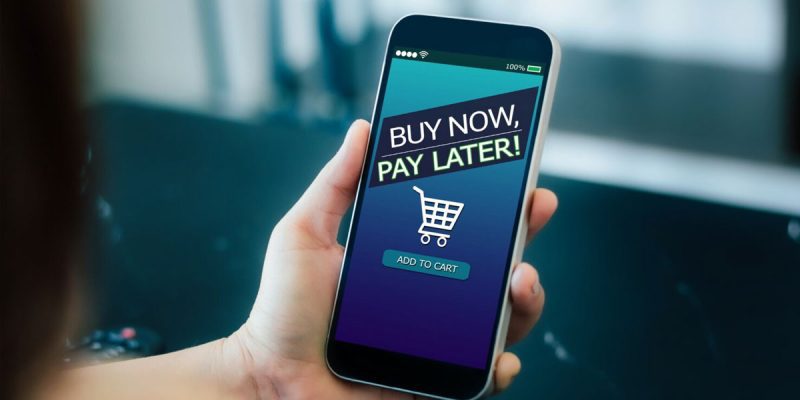
Buy now pay later (BNPL) services, like Afterpay, Klarna, Affirm, and PayPal Pay Later, split a purchase into installments, typically four payments over six weeks with no interest if paid on time. They’re available at checkout for hundreds of online and physical retailers.
For purchases you were going to make anyway and can afford to pay off in the installment structure, BNPL is effectively a free short-term loan. You delay full payment without paying interest. This can be genuinely useful for managing cash flow on a specific purchase.
For purchases you couldn’t otherwise afford, BNPL is a debt creation mechanism with interest charges if you miss payments and a structure designed to make spending feel smaller than it is by showing you the installment amount rather than the total price.
When BNPL Is Actually Useful
The situations where BNPL adds genuine value rather than just enabling spending:
A specific purchase you were planning to make anyway that happens to hit in a low-cash week, with the installments timed to align with upcoming income. This is a cash flow management tool, not a borrowing decision.
A large necessary purchase where splitting the cost over six weeks fits your budget better than paying all at once. An appliance replacement, a car repair, a medical expense. The BNPL version of this works because the purchase was necessary and you have the income to cover the installments.
What makes it work in both cases: you made the purchase decision before looking at BNPL availability, not because BNPL made it feel affordable.
The Warning Signs That BNPL Is Going Wrong
You’re using BNPL because without it you couldn’t afford the purchase at all. This is borrowing, not cash flow management. And it doesn’t solve the underlying problem that your income doesn’t support the purchase.
You’re making multiple BNPL purchases simultaneously. Tracking four separate installment schedules across different purchases for different products is complex and easy to lose track of. Missed payments trigger fees and interest. Multiple simultaneous BNPL arrangements can quickly become an unmanageable web.
You’re buying more or buying more expensive things because BNPL is available. This is the core danger. Research consistently shows that BNPL availability increases average order values. If you’re spending more because the payment is split, the product isn’t cheaper. You’re paying the same amount just spread out.
The Hidden Costs When Things Go Wrong
Most BNPL services charge no interest for on-time payments. The business model depends on late fees, merchants paying access fees, and some services on interest charges for longer payment plans.
Missing a payment can trigger fees of $5 to $15 per missed payment plus potential interest. If you’re managing multiple simultaneous arrangements, the complexity of keeping track of which payment is due when, to which service, from which account, increases the likelihood of something going wrong.
Some BNPL services report to credit bureaus. Late payments can affect your credit score. This isn’t necessarily bad (on-time payments might help your score) but it’s worth knowing about before you use the service regularly.
A Simple Decision Rule
Before using BNPL at checkout, ask two questions.
First: would I make this purchase right now if I had to pay the full amount immediately? If yes, BNPL is a cash flow convenience tool. If no, you’re using BNPL to justify a purchase you can’t actually afford.
Second: can I cover all the installment payments with my current income without cutting anything I care about? If yes, proceed. If the answer requires optimistic assumptions about future income or sacrificing other things, reconsider.
The people who use BNPL well treat it as a payment timing tool for purchases they’d made anyway. The people it hurts use it to make purchases they’ve talked themselves into because the installment amount feels manageable.