
 By
By Saving may appear to be something reserved primarily for financial specialists and people with six-figure salaries, but in reality, saving is more about habits than how much money you make. Even if your budget is limited, there are some minor behaviours you may adopt to help you save more. Small budget savings challenges are ideal for anyone looking to develop consistency and discipline in their finances. These challenges are enjoyable and allow you to express your creativity, making them a compelling method to save money, even if it is only a few dollars every week. This article will guide you through 11 enjoyable and engaging modest budget savings challenges, allowing you to work towards a safe and stable financial future without having to fully starve yourself.
1. The $1 Daily Challenge.
Consider the $1 challenge, which demonstrates how little but conscious efforts can pay out in the long run. This challenge is all about saving $1 every day for 365 days, and by the end of the challenge, you’ll have saved $365 with no extra effort.
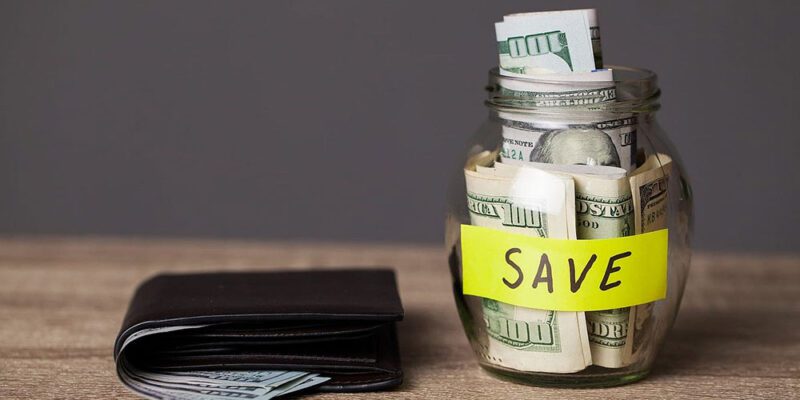
The beauty of this challenge is that it is simple and low-maintenance, demonstrating that saving does not necessarily have to be complex or difficult. To document your progress, use a glass jar, a tiny box, or even a digital savings account. This will help you become more motivated and consistent in your efforts to complete the challenge. Over time, this behaviour might train your mind to value consistency over large sums of money, a modest mentality shift that will benefit you in the future.
2. A 52 Week Challenge
Another viable option is the 52-week challenge, which involves starting modestly and progressively increasing the amount as you progress through the challenge. In the 52-week challenge, you save $1 in week one, $2 in week two, $3 in week three, and so on, up to $52 in week 52. By the end of the year, when you complete the challenge, you will have saved $1378 in a low-effort, high-impact way.
You can even reverse the challenge if you want to start big and work your way down to the easier and more manageable parts of it. The reverse 52-week challenge consists of saving $52 in week one, $51 in week two, $50 in week three, and so on until $1 in week 52.
3. Spare Change Challenge.
If you frequently find spare change or little coins lying around the house, start the spare change challenge. This challenge is all about storing spare coins in a jar or a box. This challenge may appear basic and insignificant, but after a few months, you’ll notice how quickly those modest improvements build up.
It is a stress-free challenge because it does not ask you to follow rigid rules or save a set amount; instead, it is a flexible challenge that just includes collecting and conserving any spare change. What makes this challenge worthwhile is that at the conclusion, you can see how even the simplest behaviours can result in major rewards, serving as a reminder that consistency and intention are far more important than large sums.
4. The no-spend weekend challenge.
Consider the no-spend weekend challenge to help you cut back on non-essential spending. This entails choosing one weekend every month to commit to spending nothing on wishes or nice-to-have products.
Instead of spending money, look for low-cost and budget-friendly alternatives that are equally enjoyable, such as cooking at home, going for a stroll, or spending time with your loved ones doing free activities.
This challenge not only helps you save money right away, but it also makes you realise that seemingly required expenses only provide fleeting satisfaction, prompting you to reconsider your spending habits and make the necessary changes.
5. A 5-Dollar Bill Challenge
The 5 dollar bill challenge is a basic and uncomplicated challenge in which you set aside your $5 note every time you receive it, no questions asked. $5 feels modest enough not to make a significant impact on your daily expenditure, so it becomes an easy habit to maintain.
Over time, you’ll see that your savings are increasing quickly than you anticipated. This challenge is especially effective if you handle cash on a regular basis, as it provides you with the wonderful feeling of saving without any pressure or complicated planning.
6. Pantry Challenge
The pantry challenge is a creative and practical exercise that will test your problem-solving and decision-making abilities. The pantry challenge is all about preparing meals with only the supplies in your pantry.
This challenge not only saves you money by minimising takeaway, dining out, and meal delivery, but it also lowers shopping expenses, decreases food waste, allows you to practise your cooking abilities, and, most importantly, allows you to enjoy nutritious and hygienic cuisine produced at home.
Whether it’s a fun new culinary experiment, combining leftovers, or using stuff you’ve forgotten about, the pantry challenge can be an excellent choice for anybody looking to save money while learning how to make the most of what they already have.
7. The 30-Day Roundup Challenge
Consider the 30-day round-up challenge, which consists of rounding up your purchases to the nearest dollar, $5, or $10 and saving the difference. For example, if you paid $7 for coffee, set aside $3 and save it. Similarly, if you spend $7.40, round up to $8 to save 60 cents.
While these tiny amounts may not appear to contribute significantly to your savings, they can accumulate over time, and you will not notice a difference in your everyday spending. What makes this challenge appealing is that, by the end of it, you will have saved a remarkably large amount of money without doing any more work, simply by developing a simple yet highly beneficial habit.
8. The Envelope Challenge.
The envelope challenge is one of the most useful and eye-opening ways to become involved with your savings. It’s all about separating your money into tangible envelopes for different spending categories, such as groceries, transportation, dining out, or entertainment. You can establish a spending limit for each category at the beginning of the month and place that amount of cash in its envelope. The secret is simple: if the money in an envelope runs out, you cannot spend any more in that area until the following month begins. This challenge helps you track your spending patterns, avoid overspending, and make sound financial decisions.
9. The Month Without A Subscription
In today’s society, it’s easy to overlook how many subscriptions, ranging from streaming services to apps, periodicals, and even fitness memberships, quietly deduct little amounts of your money each month. The subscription-free month challenge urges you to cancel or suspend all non-essential subscriptions for 30 days and go without them.
It may seem weird at first, but it can be unexpectedly refreshing to realise how many subscriptions you rarely use or even miss. At the end of the challenge, you may discover that some of those paid subscriptions were not providing any actual value to your life, and cancelling them now could help you save even more money in the future.
10. The 100 Envelope Challenge
If you want something a little more regimented but still achievable, the 100-envelope challenge (small version) is an excellent choice. The classic method entails labelling 100 envelopes with numbers 1 through 100 and storing the amount written on the envelope you select each day, but the little version simplifies it for smaller budgets.
You can use 50 or even 30 envelopes, depending on your comfort level. Every time you pick an envelope, you store the number written on it, and by the end of the challenge, those modest amounts will add up to an unexpectedly significant sum.
11. “Save Your Bonuses” Challenge
The “save your bonuses” challenge is a simple but effective habit that emphasises putting away any additional money you make rather than spending it right away. This challenge challenges you to preserve everything, whether it’s a work bonus, a monetary gift, a tax refund, or even a modest compensation for selling something you don’t need. The nicest part about this challenge is that it has no impact on your daily budget because the funds are not part of your regular income, making it easier to save without feeling deprived.
Summary
Saving money does not always necessitate radical lifestyle changes or substantial sums to begin with; sometimes it is the simple, persistent behaviours that make the most difference over time. These 11 small-budget savings challenges are designed to be readily integrated into your daily life, allowing you to develop discipline, inventiveness, and mindfulness in your spending. Whether you’re collecting spare change, cooking from your cupboard, or suspending your subscriptions, each challenge helps to strengthen your financial thinking. The trick is to focus on progress rather than perfection, because each dollar saved brings you closer to financial freedom. With patience and persistence, even tiny actions can lead to significant long-term results, providing you with greater control and peace of mind over your financial future.