
 By
By Saving money does not imply living a miserable life. It’s about making smarter decisions that increase your income through actual, doable habits. A nonprofit focusing on financial education, even minor changes to how you shop, utilise utilities, plan your budget, and manage subscriptions can result in significant savings over time.
Grocery and Kitchen: Stretch Every Shilling
Food is one of the biggest everyday expenses, but it’s also one of the easiest to trim without feeling deprived.
- Shop smart: Look for discounts and clearance sections, especially on items that can be frozen or cooked soon.
- Make coffee at home: That daily café habit can add up — brewing at home is one of the simplest ways to cut expenses.
- Cook in bulk: Batch cooking and freezing meals saves time and reduces reliance on pricey takeout.
- Use coupons and loyalty apps: Digital coupons and store rewards can significantly reduce grocery bills.
Bonus tip: Keep a “use-first” bin in your fridge to ensure perishable food doesn’t go to waste.
Cut Energy and Utility Bills
Utilities are another area where simple changes can lower your monthly costs.
- Unplug unused electronics: Chargers and small appliances draw power even when not in active use.
- Use LED bulbs: They use less energy and last longer than traditional bulbs.
- Wash clothes in cold water: Heating water accounts for a big chunk of laundry energy costs.
- Fix leaks and drips: Even a small drip can add up over months.
Small adjustments like shortening showers by a couple of minutes and adjusting the thermostat when you’re out make a measurable difference over time.
Everyday Household Money Savers
Making household routines more intentional keeps impulse buying and waste in check.
- Shop with a list: Impulse buys eat into your budget without adding real value.
- Make DIY cleaners: Vinegar, baking soda, and lemon make effective, low-cost cleaners.
- Cut or rotate streaming services: Keeping only one or two services and switching them seasonally reduces subscription costs.
- Join swap or “Buy Nothing” groups: Free exchanges for tools, household items, and more can replace purchases entirely.
A quarterly audit of bills and services you rarely use is a quick way to find easy savings.
Smarter Transport and Travel
Transportation isn’t just about fuel — insurance, planning, and maintenance all affect your budget.
- Compare insurance rates yearly: You might be surprised by how much premiums change year to year.
- Use bike or public transit for short trips: Especially in urban areas, this cuts both fuel and parking costs.
- Book flights midweek and set fare alerts: Flexibility and vigilance help snag lower prices.
Even keeping your car’s tyres properly inflated can boost fuel efficiency.
Entertainment, Lifestyle, and Subscriptions
Saving doesn’t mean quitting fun — it means choosing lower-cost moments that still feel good.
- Use your local library: Books, audiobooks, movies, and even museum passes are often available for free.
- Host potlucks or game nights: Gathering friends at home costs way less than eating out.
- Audit subscriptions regularly: Cancel apps and services you don’t use.
- Consider refurbished tech: Buying quality used items with warranties often costs much less than new.
Better Budgeting and Planning
Good habits start with clear goals and tools that help you stay on track.
- Track spending visually: Seeing patterns in charts or lists makes it easier to cut back.
- Set savings goals with dates: Short-term milestones make progress feel real.
- Automate savings: Moving money into savings as soon as it arrives reduces the temptation to spend.
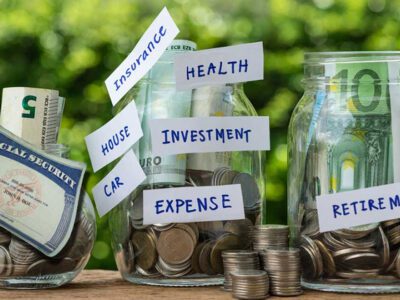
- Build “sinking funds” for irregular expenses: Having cash set aside for things like car tags or holiday gifts prevents surprise bills.
Wrap-Up
The key idea behind all these hacks is simple: small, consistent decisions add up. Starting with just a couple of these changes can ease financial stress and help you build forward momentum. If you’re looking to go deeper, pairing these tips with a structured debt-management or budgeting plan can accelerate your progress.